Is It Chemical Peel Season? Best Time to Resurface in Owasso
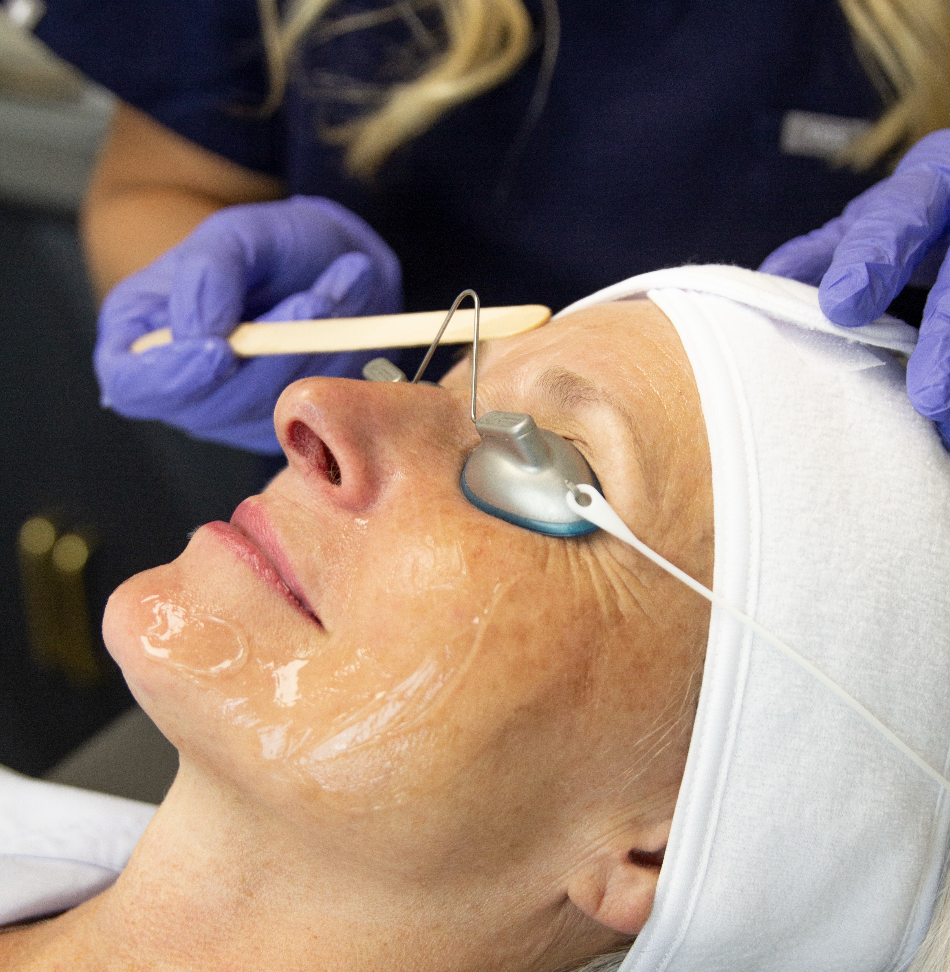
Yes, and it is starting now. Fall and winter are the best time of year to get a chemical peel, and here is why in one sentence: peels make your fresh new skin more sensitive to the sun for a couple of weeks, so the cooler, lower-UV months in Oklahoma are the safest window to resurface. If dark spots, sun damage, or uneven tone have been bugging you all summer, this is the season to finally book a chemical peel in Owasso and start fresh.
Here is how to think about timing, what a peel actually does, and how to get the most out of the season.
Why fall and winter are peel season
A chemical peel works by applying a solution that lifts away damaged surface skin so smoother, more even skin can come through. During that renewal, the new skin underneath is temporarily more vulnerable to UV light. Sun exposure too soon after a peel is the fastest way to undo your results, or worse, trigger new dark spots.
In an Oklahoma summer, you are outdoors, the UV index is high, and staying out of the sun for two weeks is a tall order. In fall and winter, the sun is weaker, you are covered up more, and it is far easier to protect that new skin while it heals. That is the whole reason injectors and estheticians call the cooler months peel season.
There is a bonus, too. Summer sun tends to darken existing pigment. By fall, a lot of people are looking at the sun damage the season left behind, which is exactly what a peel is good at addressing.
What a chemical peel can improve
Peels are one of the most flexible resurfacing tools we offer. Depending on the strength, they can help with:
Sun damage and dark spots that showed up over summer
Uneven skin tone and dullness
Rough texture and clogged pores
Fine lines
Some acne and acne-related marks
We carry medical-grade VI peels and can match the strength to your skin and your goals. If you are curious which peel fits you, our guide to choosing the best chemical peel for your skin type is a good starting point. For deeper pigment concerns like melasma, we also walk through treatment options here.
Planning your peel season
A little planning gets you a lot more out of the cooler months.
Start early in the season
If you want a series, and many people do best with a few peels spaced a few weeks apart, starting in early fall gives you room to complete the series before spring sun returns. Waiting until late winter can leave you rushing.
Think in a series, not a one-off
One peel gives you a fresh, glowy result. A short series builds deeper, longer-lasting improvement in tone and texture. Your provider will recommend how many and how far apart based on your skin.
Pair it with the right season for other treatments
Fall and winter are prime time for laser resurfacing like MOXI, too, for the same sun-sensitivity reason. If you are considering more than one resurfacing treatment, we can map out a plan across the season so nothing overlaps badly. You can see all of our services here.
How to prep and protect your results
Getting a peel is the easy part. Protecting the result is what makes it worth it.
Before: ease off retinoids and strong exfoliants for a few days as directed, and come in with clean skin.
After: expect some light flaking or peeling for several days. Do not pick. Keep skin moisturized and let it shed on its own.
Always: wear sunscreen daily and limit direct sun, especially for the first couple of weeks. This is non-negotiable, even in winter.
Follow those, and you protect the investment you just made in your skin.
Frequently asked questions
When is the best time to get a chemical peel?
Fall and winter. Lower UV levels make it easier to protect the fresh, sun-sensitive skin a peel reveals, which protects your results.
Can I get a chemical peel in summer?
You can, but it takes much stricter sun avoidance and diligent sunscreen. Most providers, including ours, prefer the cooler months for that reason.
How many peels do I need for hyperpigmentation?
It varies by how deep the pigment is, but a short series spaced a few weeks apart usually outperforms a single peel. Your provider will tailor a plan at your consult.
How long is the downtime after a peel?
Light peels have little to no downtime. Medium peels can cause a few days of flaking or peeling. Either way, plan around any big events.
Will a peel help sun damage from this summer?
Yes. Peels are well suited to lifting the dark spots and uneven tone that summer sun tends to leave behind.
Ready to make the most of peel season?
The cooler months do not last forever, and the earlier you start, the more you can accomplish before spring. Let our nurse-led team in Owasso look at your skin and build a resurfacing plan that fits the season.
Call (918) 212-5732 or book your consultation online and let's get your glow back.