Transform Your Look with These Botox Benefits
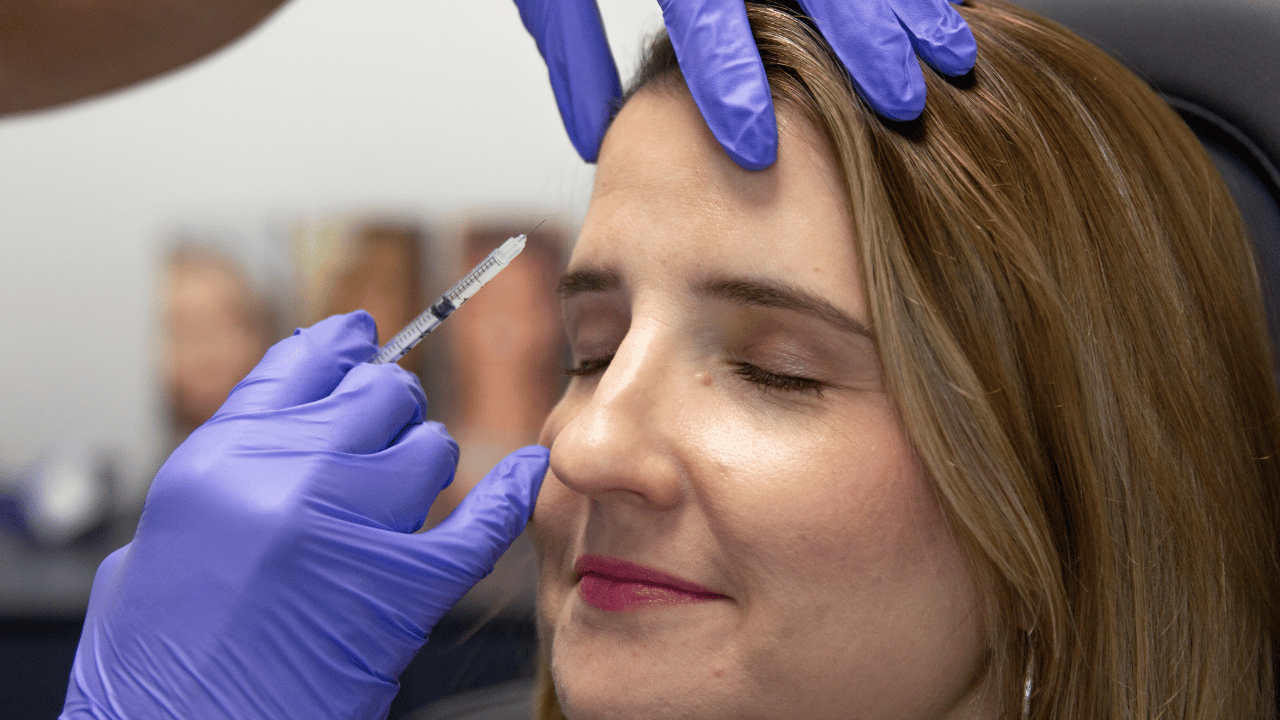
Botox (a form of botulinum toxin type A) gently relaxes targeted facial muscles to soften dynamic wrinkles and restore natural balance. This guide walks you through how Botox works for wrinkle reduction, its role as a preventative option for younger adults, therapeutic uses beyond aesthetics, differences between major brands, safety considerations, and how it compares with dermal fillers. If you want clear, evidence-informed answers about likely results, timelines, risks, and product choice, this article gives straightforward explanations and practical expectations so you can decide whether Botox fits your goals. You’ll learn which areas respond best, how preventative dosing can delay deeper creases, when Botox treats medical issues like chronic migraine or hyperhidrosis, and how to weigh options like Botox, Jeuveau, and Xeomin. Read on for a step-by-step roadmap from understanding the mechanism to booking a confident consultation.
TL;DR
Mechanism: Gently relaxes facial muscles to soften dynamic wrinkles.
Cosmetic Uses: Reduces existing wrinkles and acts as a preventative measure for younger adults.
Therapeutic Uses: Treats conditions like chronic migraine and excessive sweating (hyperhidrosis).
Product Choices: Explores differences between major brands like Botox, Jeuveau, and Xeomin.
Safety & Expectations: Covers safety considerations, likely results, timelines, and risks.
Comparisons: Differentiates Botox from dermal fillers for facial rejuvenation.
What Are the Key Cosmetic Benefits of Botox for Wrinkle Reduction?
Botox smooths dynamic wrinkles by blocking nerve signals at precise injection sites, reducing overactive muscle contractions that cause expression lines. When dosed conservatively, it softens movement-driven creases in areas such as the forehead, glabella, and crow’s feet while keeping natural facial movement. Results usually begin in three to five days and commonly last three to four months, creating predictable windows for maintenance. Knowing these core benefits helps you set realistic expectations before planning treatment with your provider.
Here are the main cosmetic advantages people notice after a properly administered Botox treatment.
Smoother Expression Lines: Reduces the appearance of creases that form when you animate your face.
Subtle Rejuvenation: Conservative dosing offers a refreshed look without a frozen appearance.
Lifted Appearance: Strategic placement can subtly open the brow and reduce hooding for a more awake look.
Balanced Symmetry: Targeted muscle adjustments can improve facial harmony and soften asymmetry.
These benefits inform treatment choice and lead into area-specific techniques for smoothing forehead lines, frown lines, and crow’s feet.
How Does Botox Smooth Forehead Lines, Frown Lines, and Crow’s Feet?
Botox is placed into specific muscles, frontalis for forehead lines, the glabellar complex for frown lines, and orbicularis oculi for crow’s feet, to reduce contraction strength and soften dynamic folds. By tempering repetitive muscle movement, Botox decreases wrinkle depth during expression while preserving baseline tone, so your face still looks natural.
Partial effects often appear in three to five days, with full improvement by about two weeks. Maintenance treatments are typically scheduled every three to four months.
Knowing the relevant muscle anatomy and typical injection patterns helps you anticipate natural-looking results and reduces the chance of unwanted side effects. The next section covers realistic expectations and safety considerations.
Botox and Other Neurotoxins: Mechanism, Duration, and Cosmetic Use
Botulinum neurotoxins type A (BoNT/A) , including Botox®, Dysport®, Xeomin®, and Jeuveau™, are the most commonly performed nonsurgical aesthetic treatments worldwide. A newer FDA-approved product, Daxxify® (daxibotulinumtoxin-lanm), entered the U.S. market in mid-June 2022. BoNT/A works by cleaving SNAP-25, which reduces SNARE complex formation and lowers acetylcholine release at the neuromuscular junction. The targeted muscle relaxes, which smooths the overlying skin because the muscle can no longer fully contract. Results are temporary and typically last about 3–4 months, although package inserts note effects can persist up to 6 months. This chapter reviews the pharmacology of the most commonly used cosmetic neurotoxins.
What Results Can You Expect from Botox for Fine Lines and Expression Wrinkles?
Outcomes differ between fine lines driven mostly by repeated movement and deeper, static creases caused by tissue loss or long-standing folds. Botox works best for dynamic, expression-related lines.
For fine lines, many patients see about 60–80% smoothing within two weeks. Deeper expression wrinkles may need a combination treatment with fillers or resurfacing to reach optimal correction.
Real patient outcomes support starting conservatively, scheduling staged follow-ups, and adopting complementary skin-care routines to extend and enhance results. These expectations help shape a treatment plan and indicate when combined therapies may be appropriate.
If you’re ready to explore cosmetic neurotoxin treatment, Revamped Aesthetics in Owasso offers a personalized injectables pathway focused on natural-looking results and tailored dosing. The team, led by Nurse Practitioner Sarah McCall, provides individualized assessments and online scheduling. First-time clients may qualify for a 10 percent new client offer to encourage an introductory visit. Scheduling a consultation is the best next step to see how Botox could address your specific concerns.
How Does Preventive Botox Help Delay the Signs of Aging?
Preventative Botox means using low, conservative doses earlier in life to reduce repetitive muscle contractions that can eventually create permanent lines. The action is the same as cosmetic treatment, dampening neuromuscular transmission, but the aim is long-term softening of crease formation rather than immediate erasure.
Many people in their mid-20s to mid-30s choose preventative dosing to limit muscle memory and slow the deepening of lines while keeping full, natural expression.
Clinical experience and recent studies suggest lower-dose, less frequent treatments can preserve expressive range and lessen future wrinkle depth, supporting a preventative approach for suitable candidates.
People choose preventative Botox for practical and aesthetic reasons:
Reduce Crease Formation: Early muscle relaxation limits repeated folding that leads to permanent lines.
Maintain Natural Expression: Conservative dosing softens lines without sacrificing facial movement.
Delay More Aggressive Treatments: Preventative care can postpone the need for deeper corrective procedures later on.
These points explain why younger patients often prefer a subtle, maintenance-focused plan and lead into dosing and skincare considerations described next.
Botulinum Toxin for Aging: Combating Photoaging and Intrinsic Aging
Tertiary prevention addresses both photoaging and intrinsic aging using a combination of botulinum toxin, soft tissue fillers, and energy-based devices.
Why Start Botox Early for Long-Term Anti-Aging Benefits?
Beginning early aims to reduce repetitive mechanical stress that accelerates collagen breakdown and crease formation, slowing the progression from fine lines to static wrinkles.
Clinicians usually use fewer units and wider injection spacing for younger patients, producing a softening effect that preserves animation.
Over time, muscles that contract less intensely tend to create shallower lines, which can reduce the intensity or frequency of future treatments.
This conservative approach favors gradual, cumulative results and regular reassessment to keep care aligned with changing anatomy and goals.
Preventative neurotoxin treatments pair well with topical skincare and in-office procedures that support skin quality; the next section explains how those treatments interact with collagen and texture.
How Does Preventative Botox Promote Youthful Skin and Collagen Production?
Although Botox primarily blocks neuromuscular signals, reducing repetitive creasing also lowers mechanical strain on collagen and elastin, which can indirectly help preserve skin texture and thickness.
Emerging research suggests less dynamic folding creates a better environment for collagen remodeling when combined with topical retinoids, diligent sunscreen use, and in-office resurfacing.
Pairing preventative neurotoxin strategies with evidence-based skincare often produces stronger, longer-lasting results: healthier skin makes subtle neuromodulation more effective.
For younger patients exploring preventative options, Revamped Aesthetics offers personalized consultations to design conservative treatment plans and a 10 percent new client incentive to support an initial visit. Online booking helps match a preventative protocol to your anatomy and lifestyle.
What Therapeutic Benefits Does Botox Provide Beyond Cosmetic Use?
Outside of aesthetics, Botox has validated therapeutic roles that use the same mechanism, blocking acetylcholine release at neuromuscular junctions, to reduce unwanted muscle activity or glandular signaling.
Common medical uses include chronic migraine prevention, hyperhidrosis (excessive sweating) treatment, and reducing bruxism or jaw tension related to TMJ disorders. Each application uses specific injection patterns, dosing, and follow-up schedules different from cosmetic protocols, and success is measured by symptom relief rather than appearance.
Understanding these medical indications helps patients and providers choose appropriate candidates and set realistic expectations.
Quick reference: therapeutic uses and what they address.
Chronic Migraine Relief: Reduces headache frequency by modulating pain pathways in selected head and neck muscles.
Hyperhidrosis Management: Lowers sweat gland signaling to significantly reduce focal excessive sweating.
TMJ/Bruxism Reduction: Masseter injections can decrease clenching force and ease jaw pain and muscle enlargement.
These therapeutic roles broaden the value of neurotoxin treatments and lead into a closer look at how Botox helps with chronic migraines.
How Does Botox Relieve Chronic Migraines and Headache Symptoms?
For chronic migraine, Botox is given using a standardized protocol across specific head and neck muscles to modify nociceptive signaling and reduce peripheral sensitization that contributes to headache frequency.
Treatments are typically repeated every 12 weeks, and many patients see a measurable drop in monthly headache days after two treatment cycles.
Candidates often include people with 15 or more headache days per month or those who have not tolerated or benefited from preventive oral medications.
Accurate anatomical placement and individualized dosing are critical to safety and effectiveness, which is why experienced providers follow established protocols.
This targeted medical use differs from cosmetic applications and naturally leads into other functional uses such as hyperhidrosis and TMJ management.
Can Botox Effectively Treat Excessive Sweating and TMJ Disorders?
In hyperhidrosis, Botox injections into axillary, palmar, or plantar skin block sympathetic cholinergic signals to sweat glands, producing significant reductions in localized sweating that typically last three to six months per treatment.
For TMJ-related pain or bruxism, injections into the masseter or temporalis muscles can reduce biting force and muscle bulk over repeated sessions, easing pain and improving bite-related symptoms.
Both indications require dosing adjusted to symptom severity and muscle mass, with follow-up visits to fine-tune units and intervals based on response. These therapeutic benefits highlight Botox’s versatility beyond cosmetic uses and lead into product selection guidance.
What Are the Differences Between Botox, Jeuveau, and Xeomin?
Botox, Jeuveau, and Xeomin are all botulinum toxin type A products, but they differ in manufacturing methods, presence or absence of accessory proteins, and market positioning, factors that can affect onset, diffusion, and theoretical immunogenicity.
Knowing these distinctions helps you and your provider choose the product that best fits your anatomy, prior response, and personal preference.
Clinical studies show similar effectiveness across brands for most cosmetic uses, though small differences in onset and formulation can influence choice for specific areas or patient histories.
A provider evaluation is essential to match a product’s characteristics to your individual goals and anatomy.
This comparison shows that product selection is personal and leads into practical brand comparisons and selection criteria below.
How Do Jeuveau and Xeomin Compare to Traditional Botox Treatments?
Jeuveau is marketed as an aesthetic-focused alternative to Botox with a similar mechanism but different purification, while Xeomin is notable for lacking accessory proteins, a feature some clinicians prefer for patients with prior neutralizing antibody concerns.
In everyday practice, onset and duration are broadly comparable across these products for most facial indications, though individual response and diffusion can vary. It’s sensible to try a product under professional supervision if you’re uncertain.
Cost, provider experience, and past treatment history also play into selection; a clinician’s familiarity with a product often guides the recommendation.
These practical considerations help you prepare to make an informed choice at consultation.
Which Neurotoxin Is Best for Your Personalized Skincare Needs?
Choosing the right neurotoxin depends on the treatment area, desired speed of onset, prior exposures, and budget, there’s no single best brand for everyone.
Providers consider diffusion characteristics for delicate zones, potential immunogenicity in frequent long-term users, and anecdotal response patterns to recommend an option.
Trialing products in a controlled way and tracking results helps refine personalization over time.
Ultimately, an in-person assessment with a qualified clinician ensures the chosen product aligns with your anatomy and aesthetic goals. That brings us to an important discussion on safety and side effects.
How Safe Is Botox and What Are the Common Side Effects?
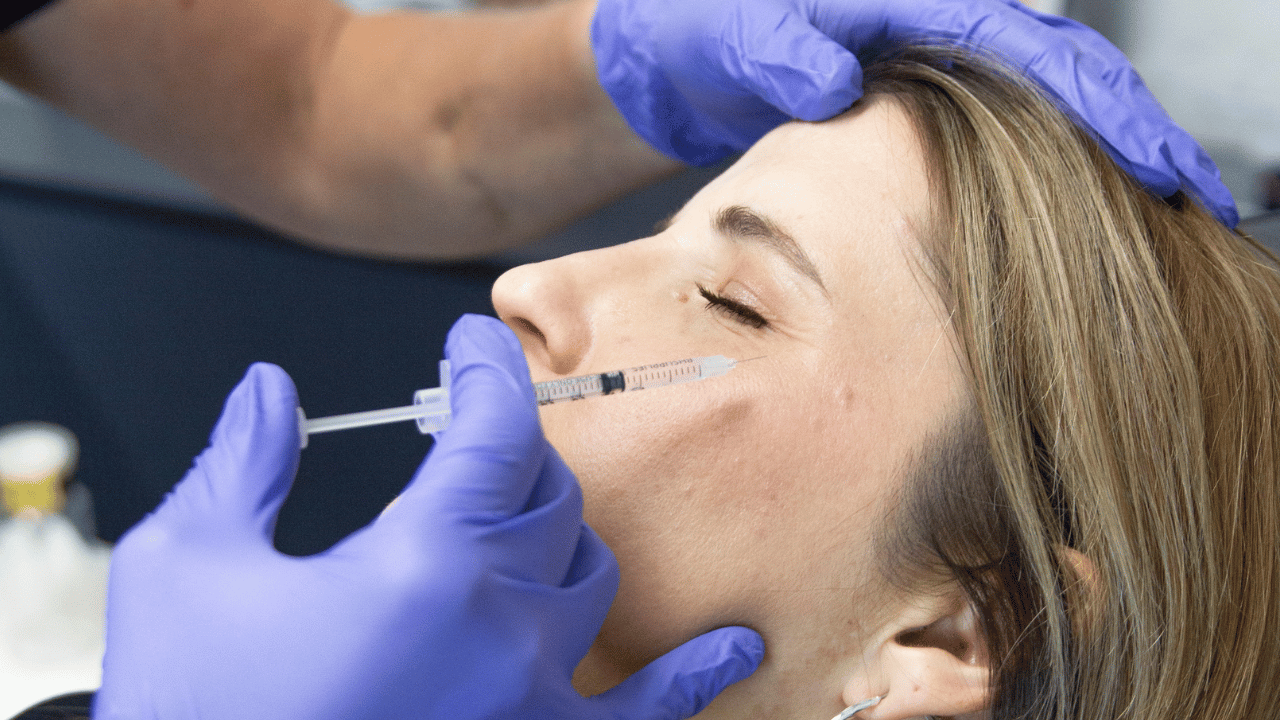
When given by trained clinicians, Botox has a strong safety record. Most side effects are short-lived and localized, such as redness, swelling, bruising, or a transient headache.
Rare but more serious effects, for example, ptosis (drooping eyelid) or unwanted muscle weakness, are usually related to injection technique, dose, or diffusion beyond the target muscle.
Careful pre-procedure screening, conservative dosing, precise anatomy-based placement, and clear aftercare guidance reduce these risks and support predictable outcomes.
Knowing common side effects and how they’re minimized helps you weigh benefits and potential downsides before proceeding.
Practical precautions and aftercare steps that help reduce complications include:
Expect Minor Local Effects: Redness, swelling, and small bruises are common and usually resolve in a few days.
Avoid Rubbing or Massaging Treated Sites: This lowers the chance of unintended diffusion of the product.
Post-Procedure Activity: Skip vigorous exercise and excessive heat exposure for 24 hours to limit swelling.
These measures lead into a procedural walkthrough so you know what to expect during and after treatment.
Botulinum Toxin Type A: Efficacy, Safety, and Mechanism for Wrinkle Reduction
This review summarizes reported efficacy, mechanisms of action, safety profiles, and patient-centered outcomes for botulinum toxin type A in wrinkle reduction and related applications.
What Should You Expect During and After a Botox Treatment?
A typical Botox visit begins with a focused consultation to identify target muscles and align on realistic goals, followed by small, targeted injections and brief recovery time. The procedure itself usually takes 10–20 minutes.
Most people feel only brief pinpricks; topical anesthetic or ice can be used for added comfort. There is minimal downtime.
Immediate aftercare includes avoiding pressure on injection sites, resting from strenuous activity for a day, and watching for changes over the first two weeks.
Scheduling a follow-up or touch-up after two weeks allows your provider to assess results and fine-tune dosing, improving satisfaction over time.
Clear procedural expectations support safer care, and choosing an experienced provider further reduces risk.
How Does Choosing an Experienced Provider Like Sarah McCall Ensure Safety?
Choosing a qualified injector such as Nurse Practitioner Sarah McCall, who leads the Revamped Aesthetics team, improves safety through detailed anatomy assessment, individualized dosing, and experience managing complications.
Clinical expertise helps ensure precise placement that minimizes diffusion-related side effects and preserves natural expression, while thorough screening protects against contraindications.
Revamped Aesthetics follows a safety-first protocol and offers personalized consultations to match treatment to patient goals, building trust and consistent results.
Look for providers who pair clinical skill with clear communication about risks and realistic outcomes.
If safety and natural results matter most to you, schedule a consultation with an experienced clinician like Sarah McCall to review your history and create a tailored plan.
How Does Botox Compare to Dermal Fillers for Facial Rejuvenation?
Botox (a neuromodulator) and dermal fillers (volume-restoring injections) play complementary roles: Botox softens movement-driven lines while fillers replace lost volume or restore structure.
Choosing between them depends on the underlying cause, dynamic movement versus tissue loss, and your desired outcome. Many effective plans combine both for balanced, natural results.
This comparison supports clear, anatomy-driven choices and leads into more specific guidance on when to use Botox versus fillers.
What Are the Different Uses of Botox vs. Dermal Fillers?
Botox is best for dynamic lines caused by repetitive muscle movement, think forehead creases, glabellar lines, and crow’s feet, where reducing contraction softens the fold.
Dermal fillers address static folds and volume loss, such as midface hollowing, deep nasolabial folds, and lip fullness, by restoring support and projection.
Many plans start with Botox to harmonize movement, then add fillers where structural correction is needed for a more natural, longer-lasting result.
These use cases help patients and providers prioritize treatment areas based on the primary drivers of aging.
When Should You Choose Botox Over Fillers for Wrinkle and Volume Concerns?
Opt for Botox when muscle movement is the main cause of the lines you want to correct, reducing contraction is often the most efficient fix for dynamic wrinkles.
Choose fillers when volume loss, sagging, or structural deficits create static folds that are present at rest; adding volume restores contours and support.
If both motion and volume issues exist, a combined approach usually gives the best, most natural balance: modest neuromodulation to soften movement and targeted filler to rebuild structure, sequenced for optimal healing and assessment.
A personalized consultation will clarify which approach or combination best fits your goals.
For a tailored assessment and treatment plan that blends neuromodulators and fillers when appropriate, Revamped Aesthetics offers personalized consultations with experienced clinical staff led by Sarah McCall and online appointment scheduling to simplify planning. First-time clients may receive a 10 percent new client offer to make an introductory visit more accessible.
Make an Informed Decision Now
Botox can both soften movement-driven wrinkles and provide therapeutic relief for conditions like chronic migraines and excessive sweating. Understanding how Botox works, when it’s most effective, and how it compares with other treatments helps you make informed choices that enhance your natural features and well‑being. If you’re curious whether Botox is right for you, schedule a consultation with us to review your history and goals and create a tailored plan.