Care Tips for Avoiding Complications Post Botox Treatment
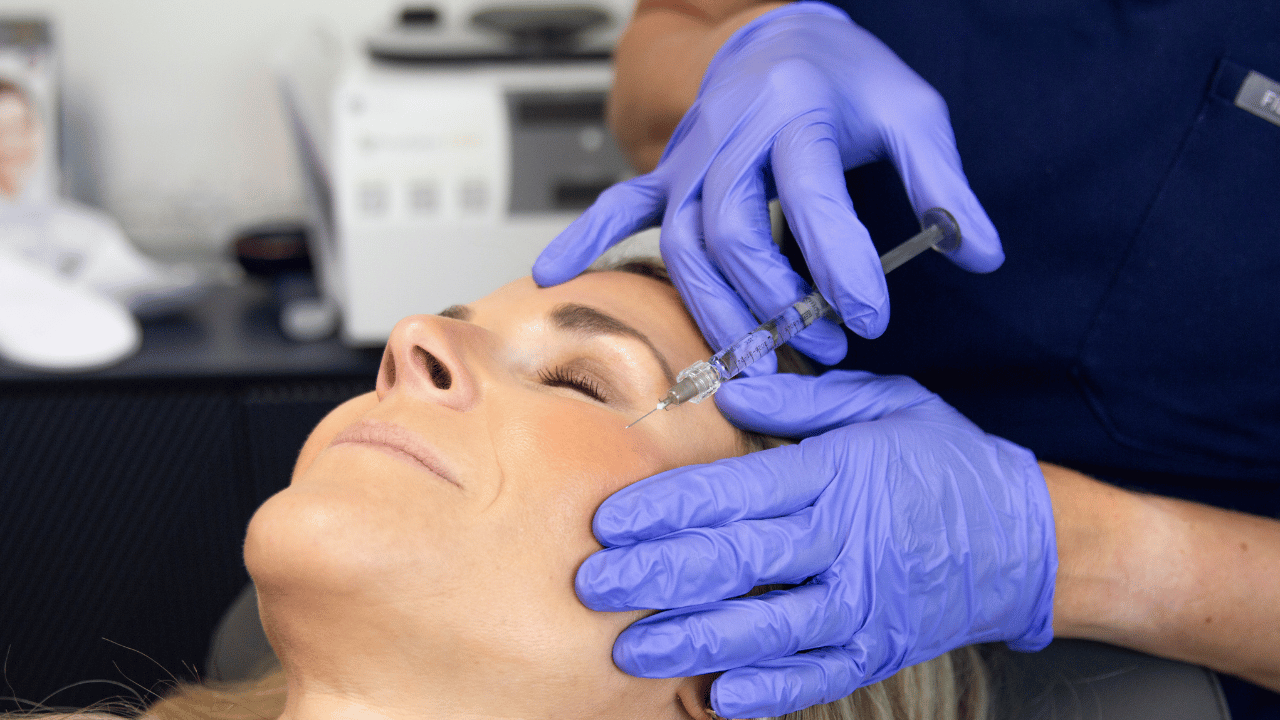
Botox aftercare plays a decisive role in minimizing risks like bruising, swelling, or toxin migration while preserving your smooth, natural-looking results. Understanding immediate steps such as staying upright, avoiding pressure on injection sites, and gentle facial movements can prevent common complications and ensure a comfortable recovery.
TL;DR
Stay upright for at least 4 hours post-treatment.
Avoid touching, rubbing, or applying pressure to injection sites.
Perform gentle facial movements to aid toxin uptake.
Use cold compresses and arnica to minimize bruising and swelling.
Refrain from strenuous exercise and alcohol for 24 hours.
Avoid blood thinners and facial massages for 24-48 hours.
Contact your provider immediately for persistent or severe side effects.
Manage headaches with hydration and acetaminophen.
Schedule follow-up treatments every 3-4 months for lasting results.
Protect your skin with SPF and maintain a healthy skincare routine.
What Are the Most Important Immediate Post-Botox Care Steps?
Immediate post-Botox care refers to the actions taken in the first minutes and hours after injections to stabilize the neurotoxin at the treatment site, prevent unwanted diffusion, and reduce early side effects. By remaining upright, avoiding direct pressure on injection zones, and performing gentle facial movements, you safeguard against toxin migration and minimize bruising. These measures directly contribute to a smoother recovery and more predictable wrinkle reduction results.
How Long Should You Stay Upright After Botox Injections?
Remaining seated or upright for at least four hours after injections prevents the neurotoxin from spreading to unintended muscle groups. Upright posture uses gravity to keep Botox localized, promoting precise muscle relaxation and reducing risks like eyelid droop. This simple precaution sets the foundation for optimal aesthetic outcomes and transitions naturally into timing other activity restrictions.What Activities Should You Avoid in the First Few Hours?
In the initial four-hour window, avoid:
Lying flat or bending at the waist, which can shift Botox from target sites.
Intense facial expressions or vigorous face-touching that may increase bruising.
Applying makeup or skincare products directly on injection areas.
By steering clear of these behaviors, you reduce the chance of complication and prepare your skin for a calm healing phase.
How Does Avoiding Pressure and Touching the Injection Sites Help?
Refraining from massaging or pressing on treated areas keeps Botox molecules undisturbed and contained, ensuring even distribution within intended muscle fibers. Gentle facial movements, like raising eyebrows or smiling lightly, encourage proper toxin uptake without forcing migration. Maintaining hands-off discipline complements upright positioning to deliver consistent, natural-looking results.
How Can You Prevent and Manage Common Botox Side Effects Like Bruising and Swelling?
Preventive aftercare addresses common adverse outcomes: bruising, swelling, and redness, by applying targeted remedies soon after treatment. Cold therapy constricts blood vessels, arnica cream supports capillary repair, and elevation limits fluid accumulation. These strategies work in concert to reduce visible side effects, fostering both comfort and confidence in your recovery.
Before exploring advanced remedies, revisit the full scope of injectable options at our Services – Revamped Aesthetics to learn how we tailor aftercare protocols across all facial treatments.
Each remedy targets a different aspect of post-injection inflammation, collectively preventing prolonged discoloration and discomfort, and opening the way to safe resumption of daily routines.
What Are the Best Methods to Reduce Bruising After Botox?
Applying a clean cold pack for 10–15 minutes immediately after injections constricts capillaries and curtails blood leak under the skin. Light arnica gel twice daily accelerates micro-vascular repair, while avoiding blood-thinning supplements or medications pre-treatment reduces initial bruise risk. These combined tactics sharply limit visible discoloration.
How Do Cold Compresses and Arnica Cream Help with Swelling and Redness?
Cold compresses create instant vasoconstriction, slowing fluid leakage from capillaries, while arnica’s active compounds support anti-inflammatory pathways and enhance lymphatic drainage. Together, they shorten the duration and intensity of post-treatment edema and erythema, allowing skin tone to normalize quickly.
When Should You Consider Medical Treatment for Persistent Bruising or Swelling?
If swelling or bruising persists beyond five days or measures over an inch in diameter, consult our team at Revamped Aesthetics for professional evaluation. Prolonged inflammation can signal underlying hematomas or sensitivity reactions requiring prescription-strength interventions, ensuring your comfort and safety throughout recovery.
What Activity Restrictions Should You Follow After Botox to Minimize Complications?
Activity restrictions after Botox stem from two core principles: limiting increased blood flow and preventing mechanical disruption of toxin placement. By avoiding vigorous exercise, heat exposure, and certain medications, you reduce the likelihood of toxin migration, bruising, and extended redness. These guidelines create a protective environment for Botox to settle, delivering reliable wrinkle smoothing and muscle relaxation.
For broader injectable care guidelines beyond Botox, explore our Injections – Revamped Aesthetics page where we outline safe practices for filler and neuromodulator aftercare.
Why Should You Avoid Strenuous Exercise and Alcohol Post-Botox?
Strenuous workouts elevate heart rate and blood pressure, accelerating blood flow to injection sites and dispersing Botox beyond intended areas. Alcohol acts as a vasodilator, further increasing bruise risk and swelling. Steering clear of both for 24 hours solidifies precise toxin placement and reduces discoloration.
How Long Should You Avoid Blood Thinners and Facial Massages?
Refrain from aspirin, ibuprofen, and herbal supplements for 24–48 hours before and after treatment to minimize capillary fragility and bruising. Facial massages should be avoided for at least two days to ensure toxins settle within targeted muscles and not spread to adjacent zones.
What Are the Risks of Lying Down Too Soon After Botox?
Lying flat within four hours can cause neurotoxin drift, leading to undesired muscle paralysis such as eyelid ptosis or uneven brow elevation. Maintaining an upright posture until the toxin binds safeguards against these unintended effects, ensuring a balanced and symmetrical outcome.
How Can You Recognize and Respond to Rare but Serious Botox Complications?
While uncommon, severe reactions like eyelid ptosis, facial asymmetry, or allergic responses demand prompt recognition and action. Early detection of these rare complications preserves vision, prevents long-term muscle weakness, and safeguards overall facial function. Being informed equips you to respond decisively and reach out for expert assistance.
If you ever experience alarming symptoms, contact Revamped Aesthetics – Owasso’s Premier Medspa immediately for guidance and rapid care.
What Are the Signs of Eyelid Droop (Ptosis) and Facial Asymmetry?
Ptosis presents as a noticeable sagging of one eyelid within days of treatment, while asymmetry may show uneven eyebrow height or side-to-side differences in facial movement. Early identification allows corrective measures like prescription eye drops or targeted neuromodulator reversal.
When Should You Contact Your Provider for Allergic Reactions or Vision Changes?
Seek immediate medical advice if you notice hives, difficulty breathing, swelling beyond injection sites, or blurred or double vision. These symptoms can indicate hypersensitivity or toxin diffusion near ocular muscles requiring urgent intervention.
What Emergency Steps Should You Take if Severe Side Effects Occur?
Stay calm and seated upright to limit toxin spread.
Contact Revamped Aesthetics at our front desk for same-day triage.
Document symptoms clearly (e.g., photograph droop angle) for clinical review.
Follow provider instructions for any prescription medications or in-office corrections.
Prompt, coordinated response ensures safe resolution of rare adverse events and quick return to normal function.
How Can You Manage Post-Botox Headaches and Discomfort Effectively?
Headaches and mild discomfort can follow Botox as treated muscles begin to relax, sometimes triggering temporary tension at injection sites. Addressing these symptoms swiftly enhances comfort and supports an overall positive treatment experience.
What Causes Headaches After Botox Injections?
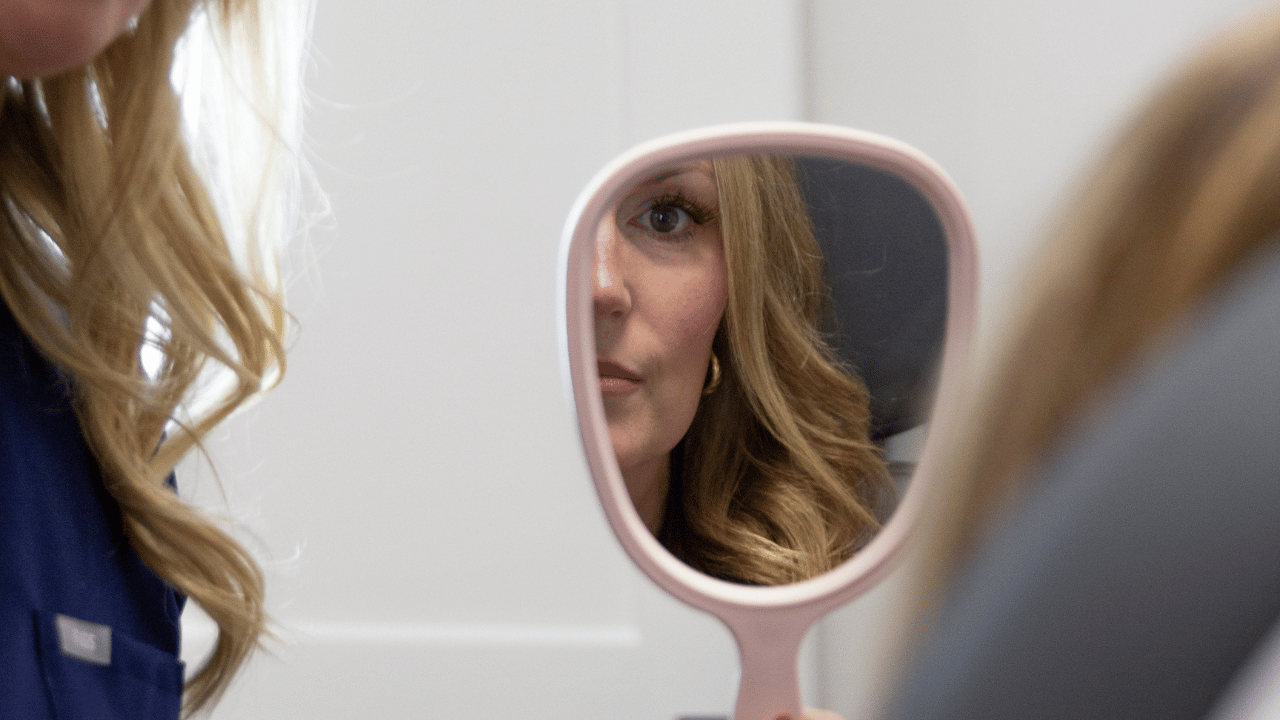
Injection-related headaches arise from tiny needle punctures, mild inflammation, and occasional muscle tension shifts as neuromodulation takes effect. The combined local irritation and neurological adjustment explains why some clients feel pressure or mild pain in treated regions.
What Safe Remedies and Hydration Tips Relieve Post-Botox Headaches?
Hydration: Aim for eight glasses of water daily to counteract any fluid shifts contributing to tension.
Over-the-counter pain relief: Use acetaminophen rather than NSAIDs, which can increase bruising.
Gentle neck stretches: Promotes blood flow without affecting facial toxin placement.
These steps restore comfort without undermining your Botox results.
What Are the Best Long-Term Botox Aftercare Practices to Maintain Results and Safety?
Sustained smoothness and safety depend on ongoing skincare habits, sun protection, and strategic scheduling of follow-up treatments. Consistent routines reinforce initial outcomes and delay wrinkle recurrence while minimizing cumulative risk.
How Often Should You Schedule Follow-Up Botox Treatments?
Most clients benefit from touch-up injections every 3–4 months to maintain optimal muscle relaxation and wrinkle prevention. Regular appointments prevent deep line formation and allow us to adjust dosages for evolving facial dynamics.
Why Is Sun Protection Important After Botox?
Broad-spectrum SPF shields treated areas from UV-induced collagen breakdown and inflammation, which can accentuate lines and prolong redness. Sun protection preserves both skin health and your refined Botox effect.
How Does Maintaining Healthy Skin Support Botox Longevity?
A regimen of gentle cleansing, targeted moisturizers, and periodic professional facials enhances skin elasticity and barrier function, creating an ideal canvas for neurotoxin to work consistently. Balanced hydration and nutrition also support cellular repair that underpins lasting wrinkle prevention.
What Are the Most Frequently Asked Questions About Botox Aftercare?
Below are concise answers to top-of-mind post-treatment queries that guide safe recovery and set realistic expectations for new and returning clients.
What Should You Not Do After Botox Injections?
Avoid lying flat for four hours, strenuous exercise for 24 hours, alcohol consumption, blood-thinning medications, and facial massages for 24–48 hours to prevent toxin drift and bruising.
How Soon Can You Apply Makeup or Facial Products Post-Botox?
Wait at least 12 hours before applying makeup or skincare to treated areas to reduce infection risk and avoid inadvertent pressure on injection sites.
Can You Drink Alcohol or Exercise After Botox?
Refrain from alcohol and vigorous exercise for 24 hours post-injection, as both increase blood flow and bruise potential, potentially affecting toxin placement.
How Long Does Botox Recovery Usually Take?
Most side effects resolve within 1–2 days, with full neurotoxin settling and visible wrinkle reduction evident by day 14. Mild bruises or swelling should fade within a week with proper care.
Schedule Your Appointment Now
Natural Botox results start with precise injections and continue with disciplined aftercare. By following these expert-approved steps, from immediate upright positioning through long-term skin preservation, you’ll reduce complication risks and optimize your refreshed appearance.
Ready to schedule your personalized consultation? Secure your appointment through our convenient Online Booking Portal today.