Essential Skin Care Tips for a Flawless Complexion
Healthy, resilient skin comes from consistent daily care, the right active ingredients, and the occasional professional treatment to address aging, uneven tone, and texture. This guide is written for women ages 25–55 in and around Owasso who want straightforward anti‑aging routines, clear explanations of how ingredients like retinol and vitamin C work, and guidance on when medical‑grade procedures can help. You’ll get an evidence‑informed at‑home sequence, practical tips for choosing actives, and a rundown of in‑clinic options for pigment, redness, and texture. We also explain why a consultation and a personalized plan improve results and when treatments such as MOXI, BBL HEROic, or SkinPen microneedling are appropriate. Expect simple checklists, comparison notes, and actionable steps you can use today to build brighter, firmer, clearer skin - and to know when to book a local consult.
TL;DR
Consistent Care is Key: Achieve healthy, resilient skin through daily routines, active ingredients, and professional treatments.
Understand Your Actives: Learn how ingredients like retinol and vitamin C work for anti-aging.
Master Your At-Home Routine: Follow essential steps: cleanse, treat, moisturize, and protect with sunscreen.
Explore Medspa Options: Discover treatments like MOXI, BBL HEROic, Chemical Peels, and SkinPen microneedling for specific concerns.
Personalized Plans Work Best: A consultation helps tailor treatments and home care for optimal results.
Actionable Steps: Get practical tips and checklists to build brighter, firmer, clearer skin today.
Essential Steps for an Effective Anti‑Aging Skincare Routine
An effective anti‑aging routine follows a clear order: cleanse to remove buildup, treat with targeted actives, moisturize to restore the barrier, and protect with sunscreen to prevent new damage. Cleansing clears the surface so actives can work, treatment ingredients support renewal or antioxidant defense, moisturizers lock in hydration and help elasticity, and sunscreen prevents UV‑driven collagen loss. Keeping a consistent morning and evening routine reduces cumulative sun damage and supports natural repair cycles. If you experience irritation or persistent concerns, a professional evaluation can fine‑tune product choice and timing; Revamped Aesthetics offers personalized consultations to align home care with in‑clinic treatments and protocols. Next we’ll walk through cleansing by skin type and why the right technique protects your skin barrier.
How Cleansing Supports Radiant, Youthful Skin
Cleansing removes pollutants, excess oil, and sunscreen so the skin can renew and serums can penetrate without being blocked by surface residue. Gentle, pH‑balanced cleansers that avoid harsh surfactants protect the lipid barrier and reduce transepidermal water loss; over‑cleansing, by contrast, strips oils and raises sensitivity. For dry or mature skin, choose a creamy or low‑foaming cleanser; for oilier skin, a gel or foaming formula; and use micellar water or a gentle oil cleanser for makeup removal. Most people benefit from cleansing twice daily, with just a morning rinse on very dry days. Proper cleansing sets the stage for targeted treatments - antioxidants, retinoids, or hydrating serums - that address aging and brightness concerns.
Why Moisturizing Matters for Hydration and Elasticity
Moisturizers combine humectants, emollients, and occlusives to draw in water, restore lipids, and reduce water loss - all of which support elasticity and soften the look of fine lines. Humectants like hyaluronic acid attract moisture into the stratum corneum, emollients smooth surface texture, and occlusives help seal hydration. A lightweight, peptide‑rich serum by day with a richer cream at night balances collagen‑supporting actives and barrier repair. Mature or dry skin often benefits from ceramides and layered hyaluronic products to plump lines and improve comfort; combination skin can alternate textures seasonally or use gel creams. Good moisturizing also helps skin tolerate actives such as retinol and makes it safer to advance to stronger professional treatments when appropriate.
The core at‑home anti‑aging routine includes:
Cleanse morning and evening with a pH‑balanced formula suited to your skin type.
Use antioxidants (like vitamin C) in the morning and retinoids at night as tolerated.
Moisturize with products containing humectants, emollients, and ceramides to support the barrier.
Apply broad‑spectrum sunscreen daily and reapply when needed.
Add exfoliation or professional treatments based on your skin goals and tolerance.
This foundational routine prepares the skin for targeted treatments covered below and highlights why consistent protection and barrier care are the best prevention strategies.
Which Medspa Treatments Improve Texture and Boost Radiance?
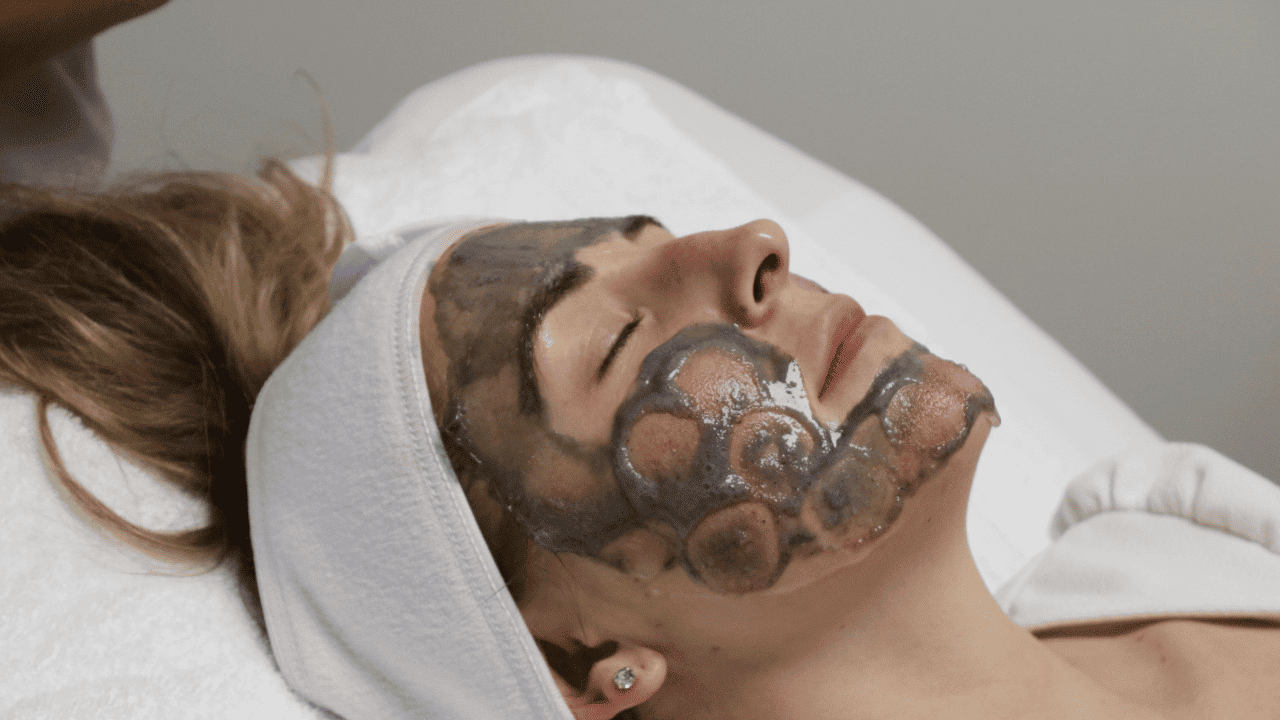
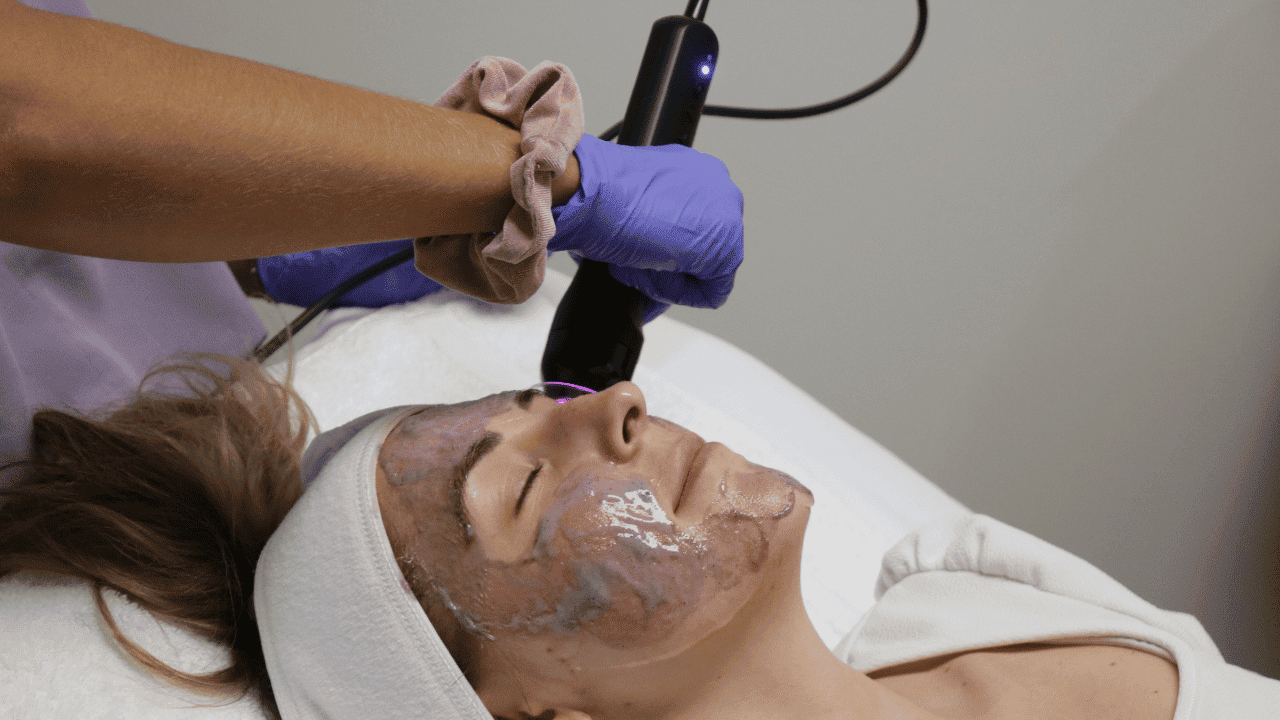
In‑clinic procedures reach layers topical products can’t fully touch: lasers remodel dermal collagen, broadband light treats vascular and pigment concerns, and needling stimulates collagen through controlled micro‑injury. Providers choose a modality based on the target concern - texture, pigment, or redness - along with downtime tolerance and scheduling. Knowing how each works sets realistic expectations: non‑ablative fractional lasers create tiny areas of thermal injury that trigger remodeling without full epidermal removal, BBL phototherapy targets chromophores to fade sunspots and calm redness, and microneedling creates microchannels that promote collagen and improve product uptake. At Revamped Aesthetics, clinicians combine these procedures with medical‑grade homecare and thoughtful sequencing to reduce risk and extend results.
Benefits of MOXI Laser Resurfacing
MOXI is a non‑ablative fractional laser that renews skin by creating micro‑thermal zones to stimulate collagen and speed cell turnover without heavy surface disruption. The result is measurable improvement in tone and fine lines with short recovery - most clients see mild redness and need only a few days to recover - making MOXI a good option for preventative resurfacing and gentle rejuvenation. Typical plans include a series of treatments spaced weeks apart, and pairing MOXI with proper homecare helps maintain results. Providers often precondition the skin with barrier‑supporting products to reduce sensitivity. If you’re local and curious about MOXI laser treatment, Revamped Aesthetics offers it as part of personalized resurfacing plans based on your assessment.
How BBL HEROic Helps Sun Damage and Rosacea
BBL HEROic delivers refined broadband light pulses designed for speed and specificity, targeting pigment and superficial blood vessels to reduce sunspots and facial redness. By selectively heating melanin and hemoglobin, BBL breaks up pigment and improves vascular lesions while sparing nearby tissue, so you’ll often see gradual lightening of spots and a calmer complexion over multiple sessions. Downtime is usually minimal - some temporary redness or mild crusting on treated pigmented areas - and visible changes can appear after the first or second treatment with continued improvement. Pairing BBL with topical brighteners and anti‑inflammatory care helps extend results, especially for rosacea‑related redness.
Choosing among MOXI, BBL HEROic, and microneedling depends on:
Your primary concern: texture and fine lines (MOXI), pigment/vascular issues (BBL), or scars/texture (microneedling).
How much downtime you can tolerate: minimal (MOXI/BBL) versus moderate (microneedling with recovery care).
Your timeline for results: cumulative, gradual improvements versus staged remodeling over months.
Recommended homecare and treatment sequencing from a clinician.
Use this framework to prioritize treatments and decide when to seek a professional consultation.
How Chemical Peels and Microneedling Improve Clarity and Reduce Aging Signs
Chemical peels and microneedling work by different but complementary mechanisms: peels chemically exfoliate damaged epidermal layers to reveal brighter skin, while microneedling creates controlled micro‑injuries that stimulate collagen and elastin in the dermis. Both are adjustable in intensity - light peels and mild needling for maintenance, deeper peels and advanced needling (often combined with PRP) for more significant dyschromia and scarring. Providers tailor protocols to your skin type and tolerance. Combining treatments can be additive - a peel can smooth and brighten the surface before microneedling promotes deeper remodeling. Expect peeling and recovery in days to up to two weeks for stronger peels, and progressive collagen remodeling over 6–12 weeks after microneedling; knowing these timelines helps set realistic expectations.
What to Expect from VI Chemical Peels
VI Chemical Peels are formulated to address hyperpigmentation, acne, and texture by removing damaged surface layers and encouraging regeneration. Results include a brighter complexion and smoother skin once surface cells shed. The typical course involves initial tightness, visible peeling several days later, and renewed skin within one to two weeks. Maintenance peels are recommended based on pigment severity and individual response. Patients with active acne or stubborn melasma often need a series of peels spaced appropriately while clinicians watch for irritation and post‑inflammatory pigmentation, particularly in darker skin tones. Combining peels with strict sun protection and stabilizing serums improves durability and reduces the chance of rebound pigmentation.
How SkinPen Microneedling Stimulates Collagen and Improves Scars
SkinPen microneedling creates uniform microchannels that trigger a wound‑healing response, increasing fibroblast activity and new collagen (collagen induction therapy) to remodel scar tissue and smooth depressed acne scars over months. Adding platelet‑rich plasma (PRP) can boost growth factors at the site and may speed repair, improving texture and volume outcomes. Typical treatment plans include multiple sessions spaced four to eight weeks apart, with cumulative benefits for pore size, scar depth, and fine lines. Aftercare focuses on restoring the barrier and avoiding sun exposure while tissue regenerates. Microneedling works best as part of a broader plan that includes topical retinoids and good hydration.
Clinical evidence supports microneedling as an effective, less‑aggressive option for scar treatment and skin rejuvenation.
Microneedling for Skin Rejuvenation and Scar Management
Demand for safe, cost‑efficient treatments that improve skin quality after scarring or photoaging continues to grow. A modality that preserves the epidermis while promoting regeneration is ideal. Percutaneous collagen induction (PCI), or microneedling, approaches that goal. This literature review examines the scientific basis for PCI microneedling and evaluates its efficacy compared with no treatment for photoaged skin and various types of scars, looking at prospective, retrospective, and experimental studies on aesthetic skin rejuvenation, tightening, and scar improvement.
Consider microneedling when:
You have rolling or boxcar acne scars and want steady, progressive improvement.
You’re looking for collagen‑driven firmness rather than only surface exfoliation.
You’re prepared to commit to a short treatment series and follow post‑procedure barrier care.
You’ll time treatments to avoid recent strong exfoliation or active inflammation.
These guidelines help set realistic expectations and timing for safe, effective remodeling.
Practical Skincare Tips for Clear, Healthy Skin
Clear, healthy skin depends on prevention, consistent habits, and smart use of effective topical actives to support collagen, control pigment, and protect the barrier. Daily practices - gentle cleansing, antioxidant protection in the morning, retinoid use at night, good hydration, and diligent sunscreen - work together to prevent and correct common concerns. Introduce actives gradually, watch for irritation, and pair supportive ingredients (hyaluronic acid, ceramides, peptides) to reduce side effects and improve adherence.
Management of Facial Hyperpigmentation: Treatments and Causes
Facial and neck pigmentation are common concerns, especially in middle‑aged women, and arise from internal factors (like hormones) and external factors (such as cosmetics or sun exposure). Melasma is a frequent cause, but other patterns - including Riehl’s melanosis, poikiloderma of Civatte, and cosmetic hyperpigmentations - are also seen. Treatment can be challenging. Avoiding UV exposure and using broad‑spectrum sunscreen are essential. Several topical agents have been used with varied results: hydroquinone (2–4%), often combined with tretinoin, remains a standard; azelaic acid (15–20%) can be similarly effective with less irritation; tretinoin helps photoaging‑related pigmentation; kojic acid, sometimes combined with glycolic acid or hydroquinone, inhibits tyrosinase. Chemical peels (TCA, Jessner’s, AHA, salicylic acid, and others) can help, while lasers have historically been less predictable due to risk of hyperpigmentation and recurrence. New laser techniques may offer better options in the future.
Get Radiant Skin Now
Radiant, youthful skin is achievable with consistent at‑home care plus targeted professional treatments when needed. Understanding the essential steps and key ingredients helps you address signs of aging and support overall skin health. For personalized recommendations based on your skin, schedule a consultation with our team at Revamped Aesthetics - we’ll build a plan that fits your goals and lifestyle. Start your journey to clearer, healthier skin today by exploring our services and product options.