Comprehensive Guide to Dermal Fillers Benefits in Aged Skin
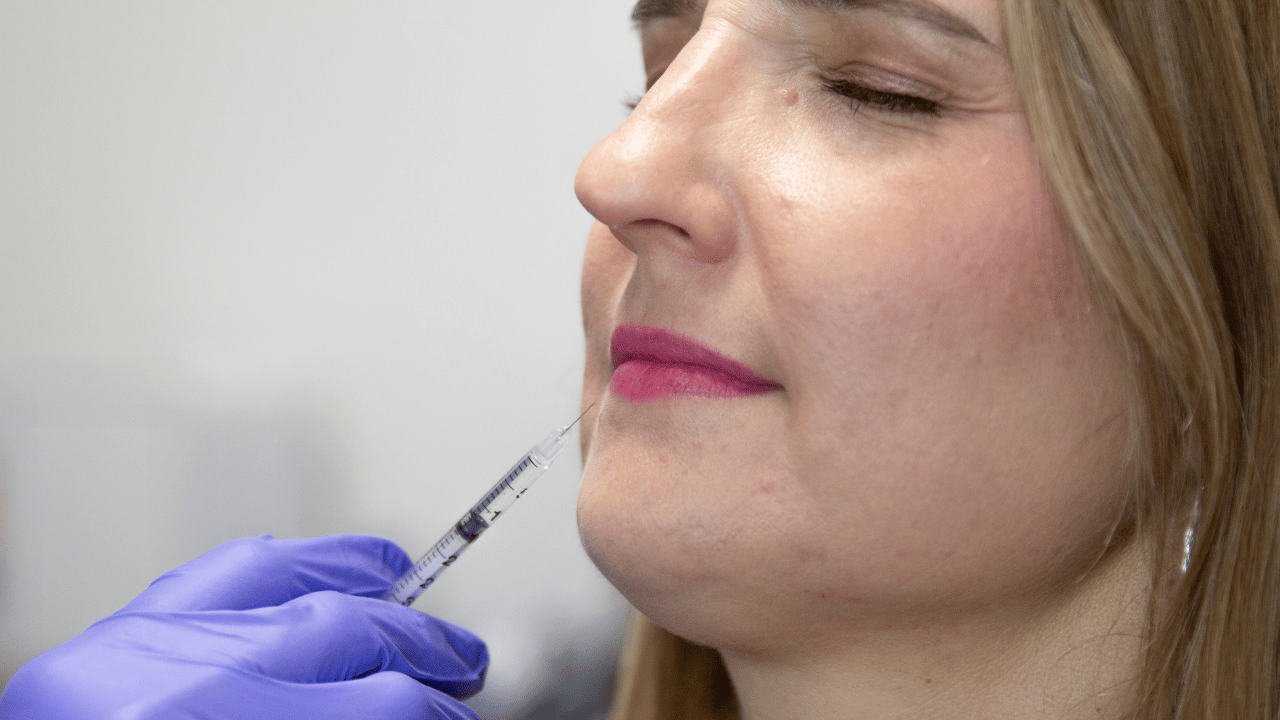
Dermal fillers are injectable medical treatments that restore facial volume, soften deep folds, and subtly enhance your natural contours by replacing lost structural support. They work through a mix of mechanical lift, water-binding (as with hyaluronic acid), and, for some products, stimulation of collagen over time, giving immediate visual improvement with a predictable recovery. In this guide, you’ll learn how fillers work, which areas respond best, the common product types, realistic longevity expectations, and how to prepare for and recover from treatment. Many people choose non-surgical facial rejuvenation to address volume loss, nasolabial folds, thinner lips, or under-eye hollows without the downtime of surgery; dermal fillers allow targeted, customizable corrections that can be staged to match your goals. We’ve mapped the essential science, area-specific strategies, practical comparisons, safety guidance, and a clear patient journey so you can decide whether fillers are a good fit and learn the next steps for planning care.
TL;DR
Restore Volume & Contour: Fillers replace lost structural support to enhance natural facial contours.
Immediate Results: Experience immediate visual improvement with predictable recovery.
Versatile Treatment: Address volume loss, soften deep folds, and enhance lips or under-eye areas.
Non-Surgical Option: Achieve rejuvenation without the downtime associated with surgery.
Customizable: Targeted corrections can be staged to meet your specific aesthetic goals.
Comprehensive Guide: Learn about how fillers work, product types, longevity, and aftercare.
What Are Dermal Fillers and How Do They Work?
Dermal fillers are medical-grade injectables used to add support, volume, and contour where tissue has thinned from aging, genetics, or weight change. Different formulas work in different ways: hyaluronic acid (HA) attracts and holds water for immediate hydration and volume; calcium hydroxylapatite (CaHA) provides denser structural lift; and biostimulatory agents encourage collagen remodeling over months. The short-term effect is restored volume and softer wrinkles; some products also improve skin quality over time by supporting collagen. Knowing how each filler works helps us choose the right product and sequence of treatments to deliver safe, natural-looking results.
What is hyaluronic acid, and why is it used in dermal fillers?
Hyaluronic acid (HA) is a naturally occurring sugar molecule in skin and connective tissue that binds water to keep skin hydrated and supple. HA fillers are popular because they’re biocompatible, reversible with hyaluronidase if needed, and provide immediate, adjustable volume with low immune risk. Clinically, HA gives quick contour improvement and enhanced hydration while allowing a conservative, layered approach across sessions to avoid overfilling. Its predictable behavior and ease of adjustment make HA a first-line choice for many facial areas.
Which types of dermal fillers are available for facial rejuvenation?
Fillers generally fall into three categories: HA fillers for hydration and contour, calcium hydroxylapatite (CaHA) for structural lift, and biostimulatory fillers that promote collagen over time. Products differ by particle size, cross-linking, and viscosity, characteristics that determine lift, spread, and longevity in each facial zone. The best choice depends on your goals: softening fine lines, building cheek structure, or improving long-term skin texture. Below is a concise overview of common uses and why each class is selected.
Hyaluronic acid fillers are versatile for cheek volume, softening nasolabial folds, and natural lip enhancement.
Calcium hydroxylapatite fillers provide denser support for jawline and chin sculpting.
Biostimulatory fillers are chosen when gradual collagen remodeling and long-term skin quality improvement are desired.
These categories help guide product selection. Your provider will match filler properties to the treatment area and your aesthetic goals, which sets realistic expectations for appearance and maintenance planning.
How Do Dermal Fillers Restore Facial Volume and Contours?
Fillers restore facial volume by strategically augmenting areas that have lost subcutaneous fat and structural support, recreating the youthful contours of the midface and the defined lines of the jaw. Mechanically, fillers act as a volumizing scaffold that lifts sagging tissue and re-suspends descended structures, which improves the position and balance of nearby features. The visual outcome is restored cheek fullness, softer nasolabial folds, and a cleaner profile, achieved with conservative, layered treatments that preserve natural movement and expression. Practitioners assess volume-loss patterns and plan staged treatments to balance lift and symmetry while avoiding abrupt or artificial changes.
Which facial areas benefit most from volume restoration with fillers?
High-impact zones include the cheeks/mid-face to restore malar fullness, the temples to reduce hollowing and support the lateral brow, the jawline and chin for definition and profile improvement, and the under-eye (tear trough) to soften hollows when treated conservatively. Each area behaves differently: midface augmentation creates vertical lift, temple filling smooths the lateral contour, and jawline work sharpens lower-face definition to counteract jowling. Placement decisions consider skin thickness, fat pad descent, and bone structure. Often, combining treatments across zones produces a harmonized, natural-looking rejuvenation. Choosing the right filler rheology and injection technique is essential for safe, lasting enhancement.
Revamped Aesthetics provides injectable dermal filler services with a focus on hyaluronic acid fillers for versatile, reversible volume enhancement. Led by Nurse Practitioner Sarah McCall, our medspa offers personalized, up-to-date treatments tailored to your skin and natural-looking results. New clients receive a 10 percent discount, and we offer easy online booking to schedule an initial consultation. Our NP-led approach combines clinical expertise with conservative aesthetic planning to prioritize safety and subtle, balanced rejuvenation.
How Do Dermal Fillers Smooth Wrinkles and Fine Lines?
Fillers smooth wrinkles by filling the space beneath static folds and by supporting the overlying skin so lines relax and become less visible. They work best on static lines, those visible at rest, such as nasolabial folds and marionette lines. Dynamic lines caused mainly by muscle movement often respond better to neuromodulators, and a combined approach usually gives the most refined result. The degree of smoothing depends on product choice and placement depth: superficial fine lines need a softer, more spreadable filler, while deeper creases benefit from a product with more lift. Correctly diagnosing the wrinkle type and tailoring the filler approach prevents puffy or overfilled results and yields a more natural outcome.
What wrinkles and lines can dermal fillers effectively treat?
Fillers are effective for nasolabial folds, marionette lines, the prejowl sulcus, and certain perioral lines that have a volume-deficit component; when placed conservatively, they can also soften tear trough hollows. For dynamic forehead lines or crow’s feet caused primarily by muscle activity, a neuromodulator is usually the first-line treatment, often combined with fillers to support midface structure. Clinicians evaluate skin quality, mobility, and the structural cause of a fold to decide whether filler, skin resurfacing, or a combined plan will deliver the best result. That diagnostic clarity reduces the chance of treating the wrong mechanism and improves satisfaction.
How Can Dermal Fillers Enhance Lips Naturally?
Fillers can enhance lips by restoring lost volume, refining the vermilion border, and improving symmetry while keeping movement natural when applied conservatively. We prioritize proportion, subtlety, and respect for facial anatomy: small, staged augmentations using softer, hydrating HA products create a pliable, natural result. Lip enhancement usually shows immediate improvement, with initial swelling that settles over one to two weeks into the final look. Careful technique, supporting the philtral columns, defining the border, and avoiding excessive central bulk, prevents an overfilled appearance and delivers a balanced result that complements the rest of the face.
What makes lip augmentation with fillers look natural?
Natural lip work focuses on proportionate volume increase, preserved movement, and avoiding disproportionate forward projection. Effective techniques include gradual layering (small volumes across sessions), targeted border definition, and choosing a soft HA for flexibility and hydration. Conservative dosing, attention to upper-to-lower lip balance, and staged follow-up for touch-ups help manage swelling and allow final refinements. Patients who want subtle enhancement often choose modest volume with improved shape rather than dramatic size, an approach that reduces filler migration and keeps contours natural.
What Are the Additional Benefits of Dermal Fillers Beyond Volume and Wrinkle Reduction?
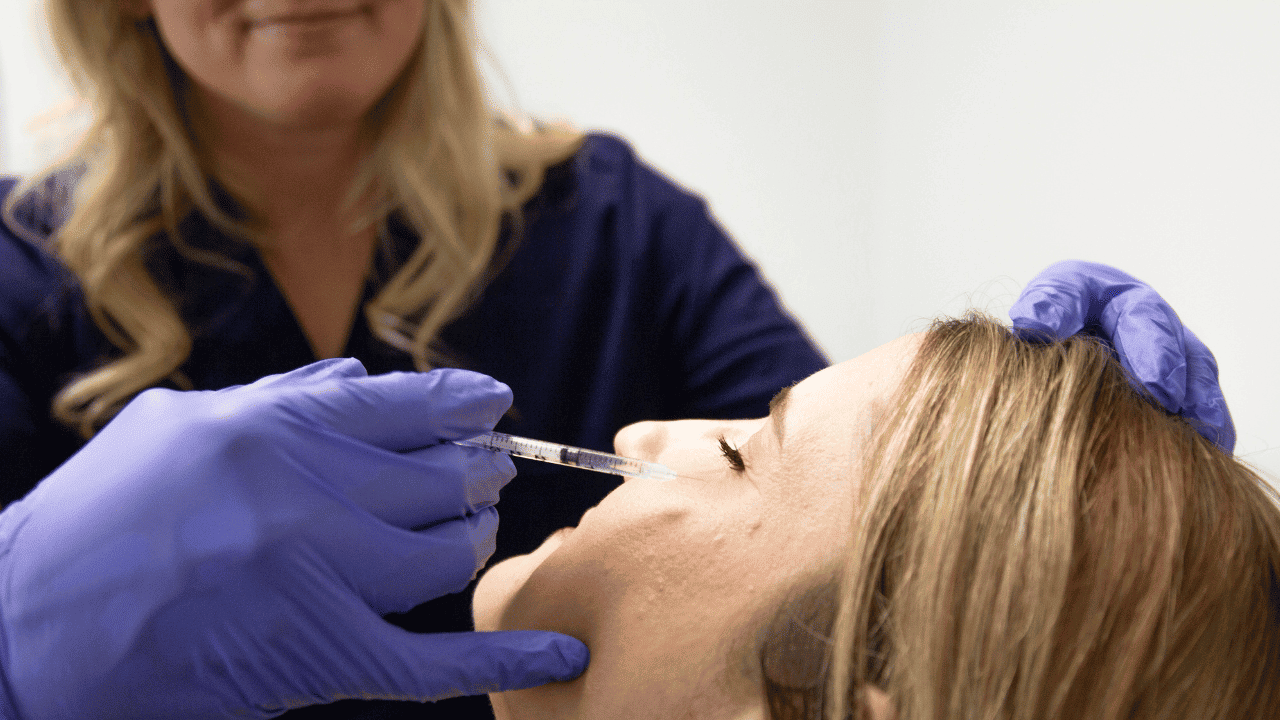
Beyond volume and wrinkle reduction, fillers can improve skin hydration, texture, and overall quality, especially HA fillers, which attract and retain moisture in the dermis. Some biostimulatory fillers trigger a remodeling process that increases collagen and elastin over months, leading to firmer, more resilient skin and gradual surface improvement. Fillers are typically done in-office with minimal downtime, allowing a quicker return to daily life compared with surgical options, and they work well alongside other in-clinic treatments, such as laser resurfacing or skin boosters, when properly sequenced. These added benefits make fillers a versatile tool in a comprehensive facial-rejuvenation plan.
How do dermal fillers stimulate natural collagen production?
Biostimulatory fillers act as a scaffold that triggers a controlled tissue response, encouraging new collagen deposition over several months and improving skin thickness and elasticity long-term. Unlike immediate volumizers, these products rely on your body’s remodeling processes, so results appear gradually and can last beyond the product’s physical presence. Clinically, patients notice better skin quality and reduced fine lines as collagen matures, with peak improvements often developing three to six months after a treatment series. Combining biostimulatory fillers with HA for immediate volume plus long-term remodeling can deliver both fast and durable benefits.
Research shows collagen biostimulators like PLLA and CaHA can improve skin quality and encourage neocollagenesis.
Collagen Biostimulators: PLLA and CaHA for Facial Volume and Skin Quality
1. Collagen biostimulators, such as poly-L-lactic acid (PLLA) and calcium hydroxyapatite (CaHA), are widely used in facial aesthetic treatments to improve skin quality, restore volume, and stimulate neocollagenesis.
2. This study evaluated the efficacy, durability, and safety of PLLA- and CaHA-based collagen biostimulators in facial aesthetic treatments.
3. A systematic literature review was conducted following PRISMA 2020 guidelines. The PICO strategy guided the research question. Searches were performed in April 2024 in the BVS, Medline (via PubMed), and Scopus databases, using standardized descriptors and Boolean operators. Studies published between 2010 and 2024, available in full text in Portuguese, English, or Spanish, were included. Screening was conducted using the Rayyan platform, and the quality of included studies was assessed with the ROB2 tool.
4. Fourteen studies met the eligibility criteria. Both PLLA and CaHA showed significant improvements in skin elasticity, wrinkle reduction, and increased facial volume. PLLA maintained its effects for up to 25 months, while CaHA offered results lasting 12 to 18 months. The most frequent adverse effects were mild, including pain and swelling at the injection site. One serious case of compression necrosis was reported with CaHA.
5. Both PLLA and CaHA are effective and generally safe biostimulators for facial rejuvenation, though further research is needed to standardize techniques and assess long-term safety.
Efficacy, Durability, and Safety of Collagen Biostimulators Based on Poly-L-Lactic Acid (PLLA) and Calcium Hydroxyapatite (CaHA) in the Face: A Systematic Review, 2025
Why do dermal fillers provide minimal downtime and quick recovery?
Most filler procedures are performed in-office with topical or local anesthesia and take less than an hour. Common side effects, bruising, swelling, and tenderness, are usually short-lived and resolve within days. Simple aftercare like cold compresses, light activity modification, and avoiding blood-thinning supplements when advised helps reduce these effects. Serious complications are rare; experienced injectors rely on careful technique, thorough knowledge of facial vascular anatomy, and conservative dosing to lower risk and manage issues promptly. With proper planning and follow-up, patients enjoy noticeable aesthetic improvements with little interruption to daily life.
Improved Skin Hydration: HA fillers attract water and boost dermal hydration and turgor.
Collagen Remodeling: Biostimulatory agents promote collagen for longer-term texture improvement.
Low Downtime: Treatments are brief with a fast return to normal activities.
These complementary advantages make dermal fillers a practical, low-disruption option for many people seeking facial rejuvenation. Considering these benefits alongside primary goals helps create a treatment plan that balances immediate and lasting outcomes.
Is Dermal Filler Treatment Right for You? What to Expect from Consultation to Aftercare
Candidacy for dermal fillers is based on medical history, aesthetic goals, skin quality, and realistic expectations. Ideal candidates are adults seeking volume restoration, improved contours, or softening of static lines who prefer non-surgical options. Contraindications include active infection at the injection site, pregnancy, or certain uncontrolled systemic conditions, in which case treatment should be postponed or redirected. At consultation, we perform a facial analysis, discuss desired outcomes, review product options and longevity, and create a personalized plan covering timing, possible combination therapies, and follow-up. Clear communication about risks, the staged nature of treatment, and maintenance intervals helps ensure a predictable, safe course.
Who is an ideal candidate for dermal filler treatments?
An ideal candidate is an adult with localized volume loss, static facial folds, or contour concerns who seeks non-surgical enhancement and understands that improvements are gradual and maintainable. Patients with active skin infections, certain autoimmune disorders, or those who are pregnant or breastfeeding typically wait until those conditions resolve. Your provider evaluates tissue characteristics, prior procedures, and lifestyle factors to recommend a product and schedule, favoring conservative correction to preserve symmetry and natural expression. Choosing an experienced injector reduces complication risk and helps achieve balanced results.
What are common side effects and how is aftercare managed?
Common side effects include temporary swelling, bruising, tenderness, and mild asymmetry that usually settle within days to two weeks; some redness or firmness may persist briefly depending on the product and area treated. Aftercare generally includes gentle cold packs, short activity modification, and avoiding blood-thinning supplements when advised to minimize these effects and speed recovery. Though rare, serious complications can occur; signs such as severe prolonged pain, skin blanching, or sudden visual changes require immediate contact with your provider; prompt intervention often prevents worse outcomes. At Revamped Aesthetics, consultations outline aftercare expectations and our follow-up protocol ensures scheduled reviews to assess settling and any need for touch-up.
Calcium hydroxylapatite (CaHA) is a well-established dermal filler noted for effectiveness in treating facial lines and volume loss.
Calcium Hydroxylapatite: A Well-Studied Dermal Filler for Facial Lines and Volume
1. Background: Calcium hydroxylapatite is one of the most well-studied dermal fillers and has been used widely for correcting moderate-to-severe facial lines and restoring lost volume. Objectives: To review the evolution of CaHA in aesthetic medicine, outline current injection protocols, and examine how CaHA’s properties support a global facial approach. Methods: This article reviews contemporary clinical experience and technique recommendations from expert injectors. Conclusion: Calcium hydroxylapatite is an effective option for many areas of facial soft-tissue augmentation and has a well-established safety profile when used appropriately.
Calcium hydroxylapatite: over a decade of clinical experience, J Van Loghem, 2015
If you’re ready to move forward, Revamped Aesthetics in Owasso offers a streamlined consultation process led by Nurse Practitioner Sarah McCall. Sarah develops personalized injectable plans and uses conservative, layered techniques to favor natural results. We emphasize clinical safety, realistic aesthetic goals, and practical aftercare support, and provide convenient online booking for appointments. New patients qualify for a 10 percent discount, and during your consultation you’ll receive a clear maintenance timeline and follow-up plan to protect outcomes and address any questions. Booking a consultation begins a staged, safe rejuvenation plan with our NP-led team focused on subtle, confidence-boosting results.
Get Dermal Fillers Now
Dermal fillers are a versatile, low-downtime option to restore facial volume, smooth wrinkles, and enhance natural contours. With choices like hyaluronic acid and biostimulatory fillers, you can achieve both immediate and longer-term improvements in skin quality and overall appearance. Understanding the benefits and tailored approaches helps create a treatment plan that matches your unique goals. Book a consultation at Revamped Aesthetics to explore how dermal fillers can refresh your look.