Chemical Peels for Hyperpigmentation and Melasma in Owasso
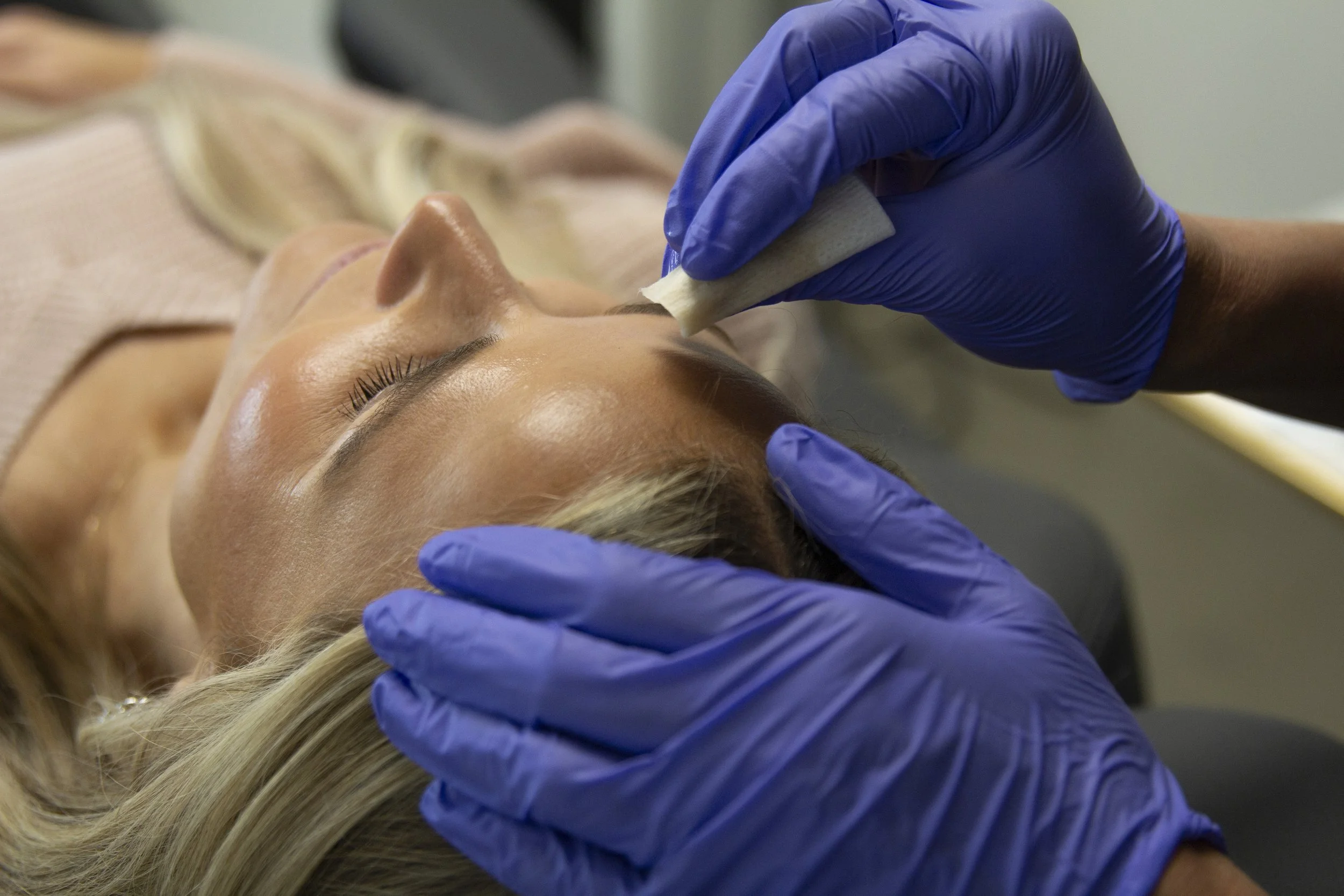
If dark spots, brown patches, or lingering acne marks are the thing you notice first in the mirror, a chemical peel is one of the most effective tools for fading them. A peel removes the pigment-loaded surface layers of skin and pushes fresh, more even skin to the top. At Revamped in Owasso, our chemical peels are matched to your specific concern, because hyperpigmentation, melasma, and acne scarring each behave differently and respond to different approaches.
Here is how peels work on discoloration, which type of pigment responds to what, and why fall is the smartest season to start.
How does a chemical peel fade pigment?
A chemical peel uses a medical-grade solution to exfoliate the skin in a controlled way. It loosens the bonds between old surface cells so they shed, taking a layer of excess pigment with them. As the skin heals over the following days, it produces newer cells with more even color and better texture. Peels also nudge your skin to turn over faster and build collagen underneath, which is why they help with both discoloration and the shallow scarring left by acne.
The key is that not all pigment sits at the same depth. Surface-level discoloration clears faster and more predictably. Deeper pigment, like melasma, needs a more careful, layered approach. Matching the peel to the problem is the whole game.
Which peel is right for which concern?
Hyperpigmentation and sun spots
General hyperpigmentation, including post-summer sun spots and the flat brown marks left after a blemish heals, tends to respond well to peels. The pigment usually sits in the upper layers, so a light-to-medium peel can lift a noticeable amount over a short series. This is the most straightforward pigment concern to treat.
Post-inflammatory marks and acne scars
The flat brown or pink marks left behind after acne, called post-inflammatory hyperpigmentation, respond nicely to peels because the color is surface-level. True textural acne scars, the pitted or indented kind, are a different problem that a peel can soften but not fully erase, and those often do better paired with microneedling or resurfacing. Our guide to choosing the best peel for your skin type helps you understand where a peel fits.
Melasma
Melasma is the tricky one, and honesty matters here. It is a chronic, hormonally driven condition where pigment sits deeper and is prone to coming back, especially with sun or heat. A carefully chosen peel can lighten melasma meaningfully, but it manages the condition rather than curing it, and aggressive treatment can actually make it worse. That is why our provider uses a gentle, conservative approach and pairs peels with the right home care. If melasma is your main concern, read our overview of safe and effective melasma treatments and how peels compare to other melasma options, since a combination plan usually works best.
Why fall is the right time for pigment peels
Peels and sun are a bad match. Fresh sun on peeling, newly exposed skin can trigger the exact pigment you are trying to remove, which is doubly true for melasma. Treating in the cooler months, when you are out of direct sun, protects your investment and lowers the risk of rebound. Fall also lets you run a short series over several weeks without a beach trip or a scorching afternoon undoing your progress.
What to expect from your treatment
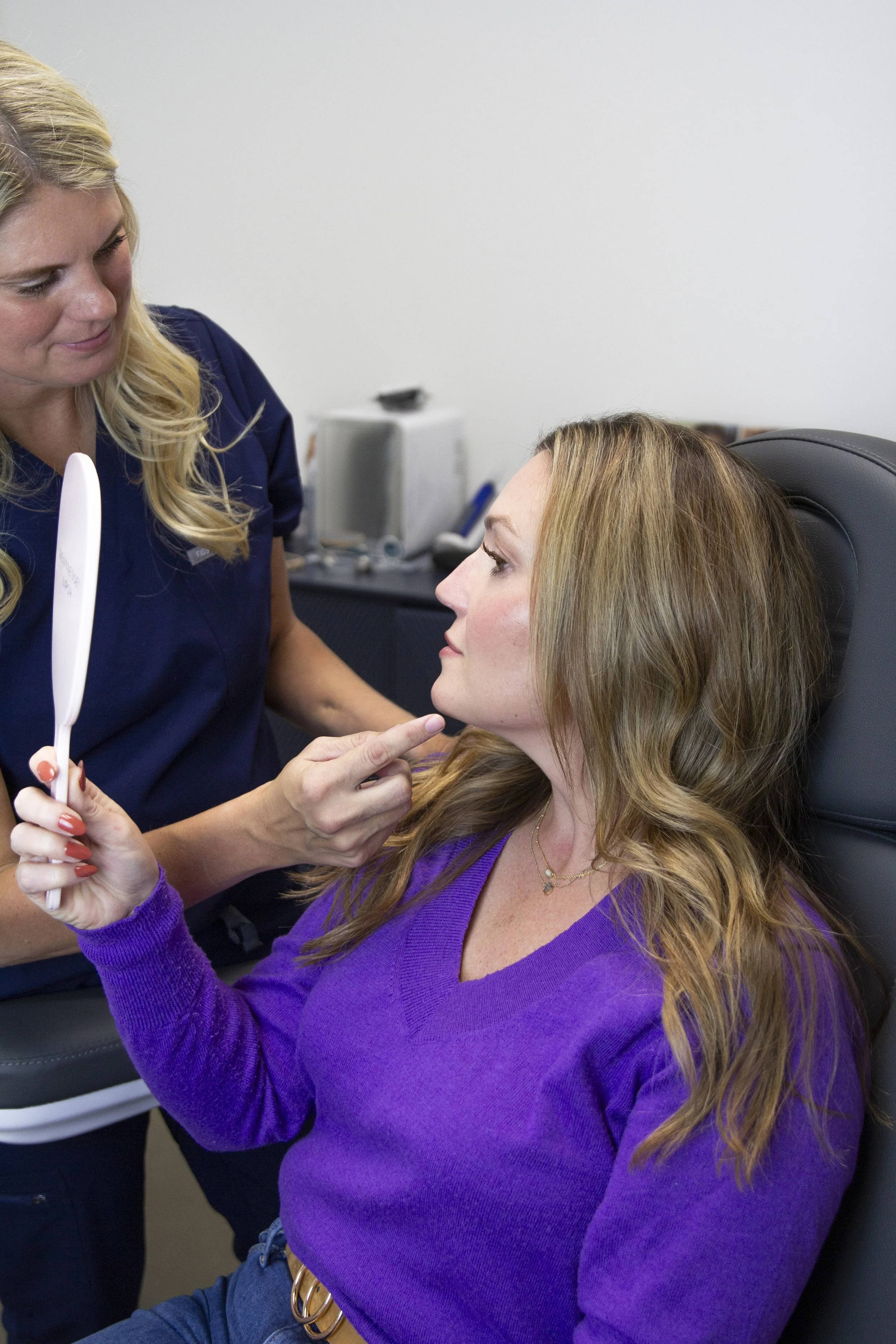
A peel appointment is quick. Your provider cleanses the skin, applies the solution, and you may feel a mild tingling or warmth for a few minutes. Depending on the depth, you might leave with skin that looks a little pink, and over the next few days you can expect some light flaking or peeling as the old surface sheds. Most light and medium peels fit easily around normal life.
For pigment concerns, a series of peels spaced a few weeks apart usually outperforms a single treatment, since each one lifts another layer of discoloration. Your provider will recommend how many based on how deep and how stubborn your pigment is.
Aftercare makes or breaks your results
With pigment, aftercare is not optional:
Wear broad-spectrum SPF every single day and reapply. This is the most important step, and it is what keeps treated pigment from coming right back.
Let the skin flake off on its own. Picking or peeling it early can cause new marks.
Keep it simple and hydrated for a few days, and skip harsh actives like retinol until your provider clears you.
Stay consistent. Pigment correction is a process, and steady home care between visits is what locks in the fade.
Frequently asked questions
Can a chemical peel get rid of hyperpigmentation? Yes, peels are one of the most effective treatments for surface hyperpigmentation and sun spots. A series of light-to-medium peels can fade discoloration noticeably by shedding pigment-loaded surface layers.
Do chemical peels work on melasma? Peels can lighten melasma, but they manage it rather than cure it, since melasma is chronic and can return. A gentle, conservative approach paired with daily SPF and the right home care works best.
Are chemical peels good for acne scars? Peels work well on the flat brown or pink marks left after acne. Deeper, pitted textural scars can be softened by peels but usually respond better when combined with microneedling or resurfacing.
How many peels will I need to fade dark spots? Most pigment concerns respond best to a short series spaced a few weeks apart rather than a single peel. Your provider will recommend a number based on how deep the pigment is.
Why is fall the best time for a pigment peel? Peeled skin is sensitive to sun, and sun exposure can re-trigger the pigment you are treating. Treating in the cooler months protects your results and lowers the risk of the discoloration returning.
Even out your skin this fall
Dark spots and uneven tone do not have to be permanent. Our nurse-led team in Owasso will look at your skin, identify what kind of pigment you are dealing with, and match you to the right peel and home care so you see a real, lasting difference.
Call us at (918) 212-5732 or book your consultation online to build your plan.