Treating Summer Sun Damage: BBL and IPL Photofacials in Owasso
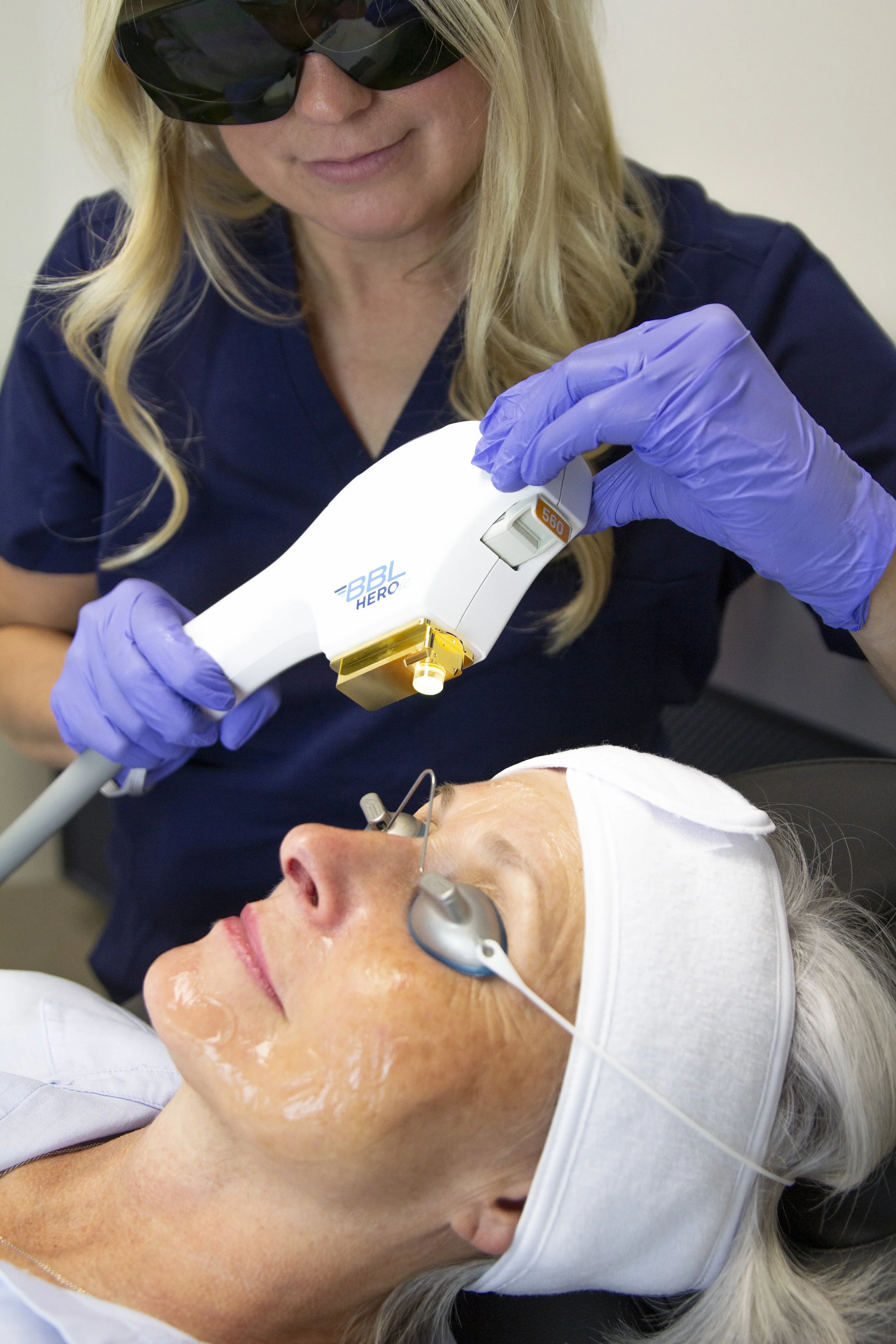
Spend an Oklahoma summer outside and your skin keeps the receipts: sun spots, brown patches, broken capillaries, and a ruddy, uneven tone that no amount of concealer fully hides. The good news is that a photofacial can lift most of that discoloration back out. At Revamped in Owasso, our BBL HEROic photofacials use broadband light to fade sun damage and even out your complexion, and fall is the right time to do it, once the strongest sun of the year is behind you.
Here is how photofacials work, what BBL and IPL actually mean, and why post-summer is the smart window to treat.
What is a photofacial?
A photofacial is a light-based treatment that clears discoloration in the skin. Instead of resurfacing the top layer like a peel or a MOXI laser, it sends pulses of light down into the skin where the unwanted pigment and redness live. The light is absorbed by the darker spots and the dilated blood vessels, which heats and breaks them up so your body can clear them over the following days and weeks.
The result is a more even skin tone. Brown sun spots darken briefly, then flake away. Redness and broken capillaries fade. Overall the skin looks clearer, brighter, and more uniform, without the downtime of a deeper resurfacing treatment.
BBL vs IPL: what is the difference?
You will see both terms, and they are closely related. IPL stands for intense pulsed light, the broad category of broadband-light photofacial treatments. BBL, or broadband light, is a newer, more advanced version of that technology.
At Revamped, our photofacial is delivered with BBL HEROic, which is our form of IPL. It gives our provider precise control over the wavelengths and energy used, so the treatment can be tuned to your specific concern, whether that is brown sun spots, redness, or both. If you want the deeper background, our explainer on what IPL and BBL therapy is walks through the technology in plain terms.
The short version: when people say IPL or photofacial, BBL HEROic is the treatment we use to do it.
What does a photofacial treat?
BBL photofacials are a strong match for the kind of damage a summer leaves behind:
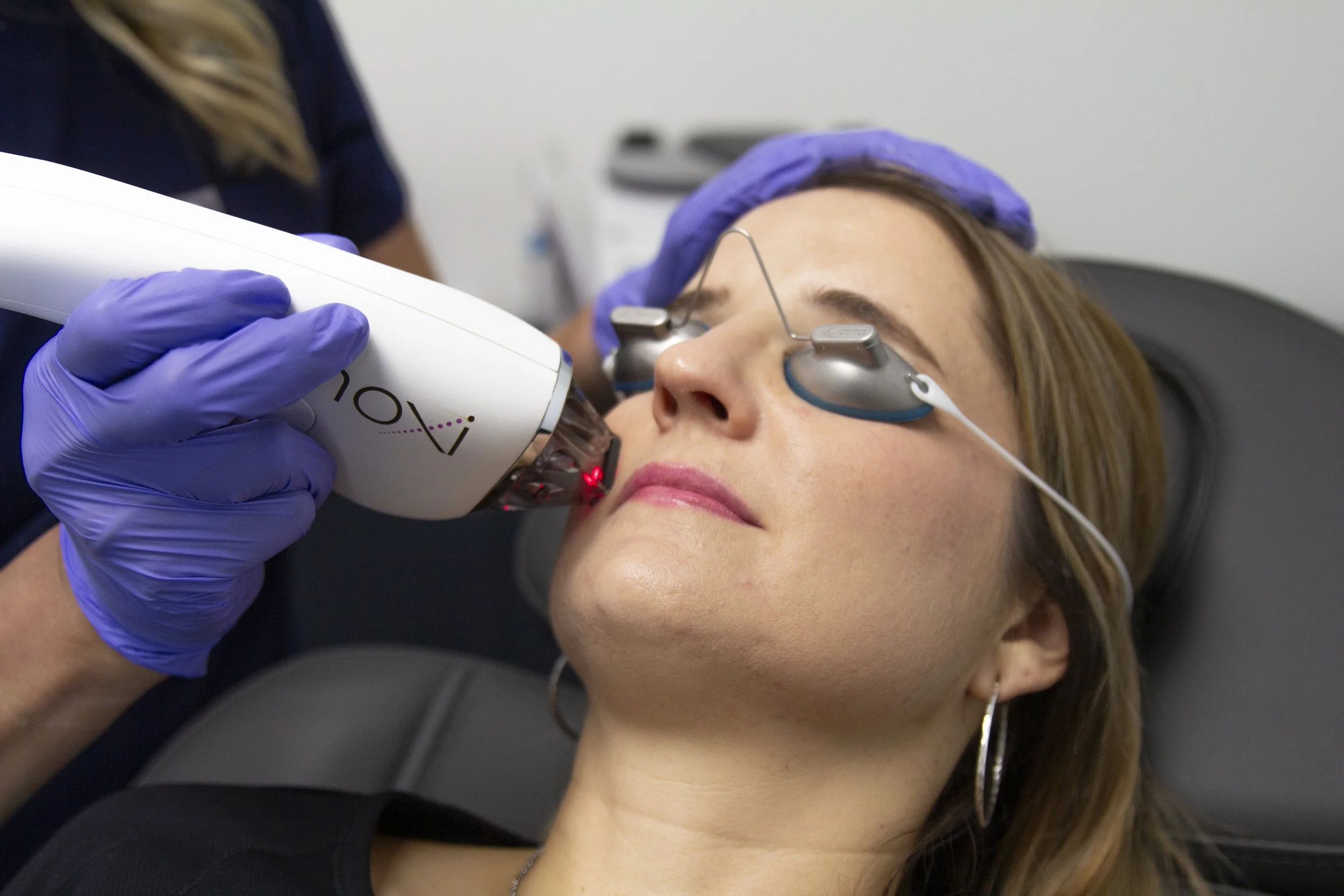
Sun spots and age spots
Brown patches and general hyperpigmentation
Facial redness and rosacea-type flushing
Broken capillaries and small visible vessels
Dull, uneven overall tone
It is most often done on the face, but the neck, chest, and hands, the areas that catch the most sun and show age first, respond well too. For stubborn individual spots, our post on erasing age spots and sun spots covers the targeted options.
Why treat sun damage in the fall?
Photofacials and sun do not mix, which is exactly why post-summer is the season for them. The treatment makes your skin more light-sensitive for a stretch, and going into fresh sun afterward can undo your results or trigger new pigment. Cooler months mean less sun, easier aftercare, and cleaner results.
There is also a natural rhythm to it. You spent the summer accumulating the damage. Fall is when you clear it, so you head into the holidays and the new year with an even, refreshed complexion instead of a summer's worth of spots.
What to expect, and how many sessions
A BBL session is quick, often around 20 to 30 minutes for the face. You will feel a warm snap with each pulse, similar to a light rubber band, and most people tolerate it easily. Afterward the treated skin may look flushed for a few hours. Over the next several days, brown spots surface as small dark flecks that look like coffee grounds and then naturally flake off. That shedding is the sign it is working, so let them come off on their own.
Many people see a real difference after a single session, but a series of three or so, spaced a few weeks apart, gives the fullest correction for significant sun damage. Your provider will recommend a plan based on how much discoloration you are starting with.
For an all-over refresh, BBL pairs especially well with a resurfacing treatment. Combining a photofacial that clears pigment with a MOXI laser that smooths texture is a popular fall combination, and if you are weighing the two, our comparison of MOXI vs BBL helps you decide where to start.
Aftercare that protects your results
The single most important step is sun protection. Wear a broad-spectrum SPF every day and reapply, especially in the first few weeks. Let the dark flecks flake off naturally rather than scrubbing or picking. Keep the skin hydrated with a gentle moisturizer, and skip harsh actives like retinol for a few days while the skin settles. Do this and your results hold much longer.
Frequently asked questions
What is the difference between BBL and IPL? IPL is the general category of broadband-light photofacials. BBL, or broadband light, is a more advanced version of that technology. At Revamped, our BBL HEROic device is how we deliver IPL photofacials.
Is fall a better time than summer for a photofacial? Yes. A photofacial makes skin more sun-sensitive afterward, so treating in the cooler months lowers the risk of new pigment and helps your results last.
How many photofacial sessions will I need? Many people see improvement after one session, but a series of about three, spaced a few weeks apart, gives the fullest correction for a summer's worth of sun damage.
Does a BBL photofacial hurt? Most people feel a quick warm snap with each pulse and tolerate the treatment easily. A face session usually takes 20 to 30 minutes with no real downtime.
Why do my sun spots get darker after a photofacial? That is expected and temporary. Treated spots surface as small dark flecks over a few days, then flake away on their own, leaving clearer skin behind.
Undo the summer before winter
If your skin picked up spots and redness this summer, fall is the window to clear them. Our nurse-led team in Owasso will look at your skin, explain what a BBL photofacial can realistically fade, and build a plan that has you even-toned and glowing by the holidays.
Call us at (918) 212-5732 or book your consultation online to get started.